Oxalis Corniculata | Creeping Wood Sorrel | Indian Sorrel | Changri: 15 Powerful Benefits, Medicinal Uses & Ayurvedic Properties | चांगेरी के औषधीय फायदे
Introduction
- Changri (Oxalis corniculata Linn.), commonly known as Creeping Wood Sorrel or Indian Sorrel, is a remarkable medicinal herb belonging to the Oxalidaceae family. This small, delicate-looking plant is widely recognized in traditional medicine for its valuable therapeutic properties and long-standing use in Ayurveda. It is mainly found in warm and tropical regions and can also grow in the Himalayan region up to an altitude of around 2,000 metres.
- The plant is native to and widely distributed across South and Southeast Asia, including India, Nepal, Bhutan, Bangladesh, Sri Lanka, Pakistan, Myanmar, Thailand, Vietnam, Malaysia, Indonesia, and the Philippines. It is also found in several other tropical and subtropical parts of the world, including regions of Africa, Australia, and the Americas, where it may grow as a naturalized plant.
- In India, Changri has a rich traditional history and is mentioned in classical Ayurvedic literature, including the Charaka Samhita and Sushruta Samhita. Traditionally, the plant has been valued particularly for its use in conditions such as diarrhoea (Atisara) and piles (Arsha). Its leaves have a distinctly sour taste, which is reflected in its Sanskrit name Amlapatrika, meaning a plant with sour leaves.
- Two forms of Changri are traditionally described—Small Changri and Large Changri. Among them, Small Changri (Oxalis corniculata Linn.) is the species primarily associated with medicinal use. Flowers and fruits can generally be observed throughout much of the year under suitable conditions.
- With its powerful traditional significance, distinctive sour leaves, wide distribution, and fascinating Ayurvedic history, Oxalis corniculata continues to attract interest among those exploring medicinal plants, traditional herbal remedies, and natural wellness.
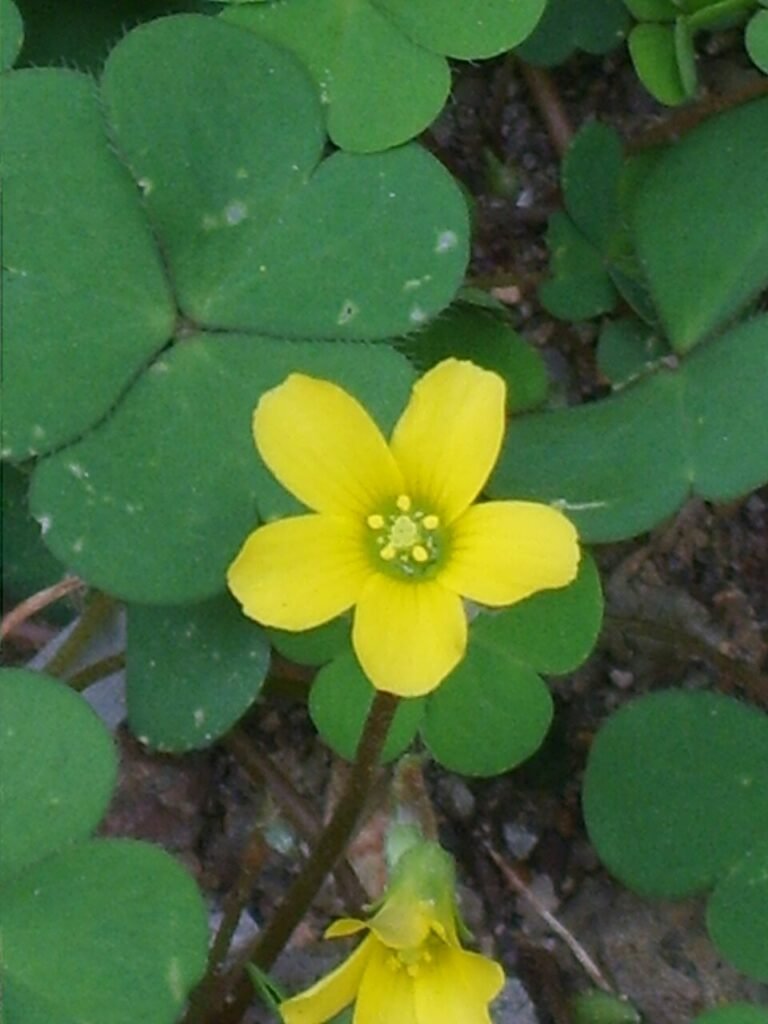
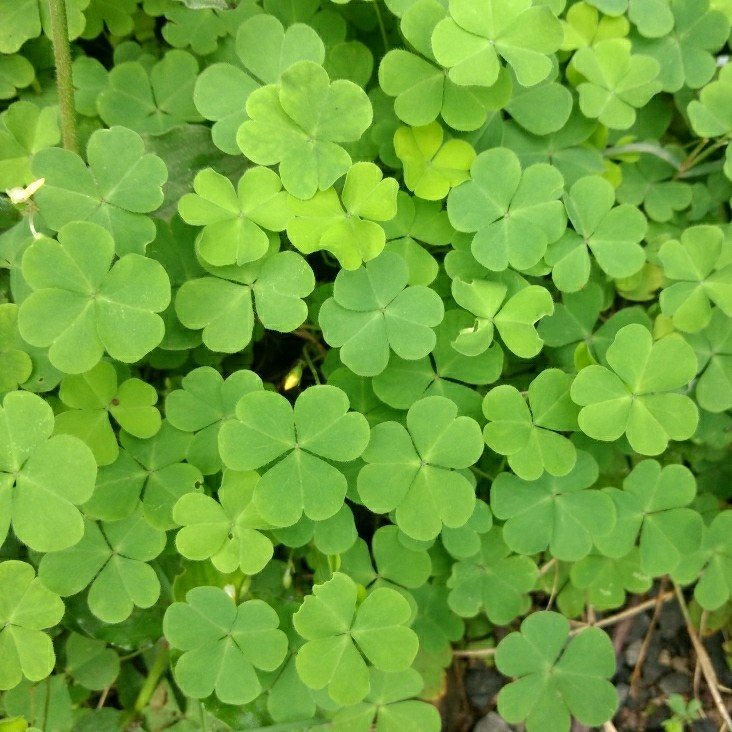
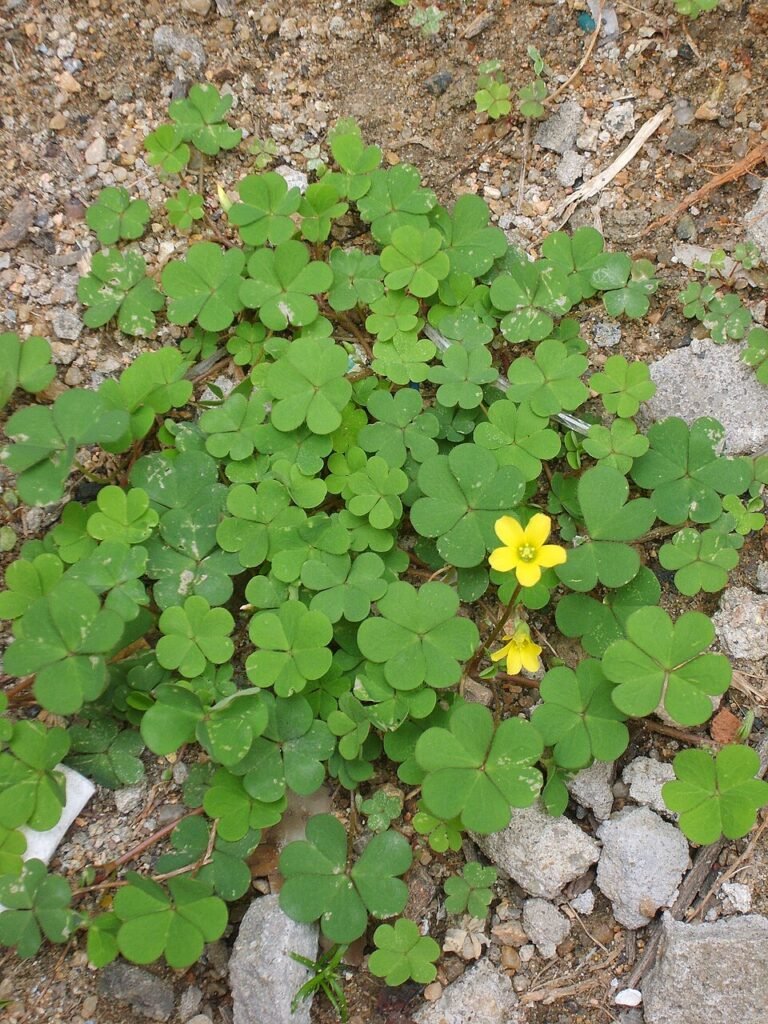
Discovery of Oxalis corniculata
- Oxalis corniculata is a small herbaceous plant belonging to the Oxalidaceae family and the Oxalis genus. The species was formally described and published under the name Oxalis corniculata L. by the renowned Swedish botanist Carl Linnaeus (Carl von Linné), who is widely regarded as the father of modern taxonomy.
- Linnaeus introduced the species name Oxalis corniculata as part of his work on the scientific classification and naming of plants. The “L.” appearing after the scientific name is the standard botanical abbreviation for Carl Linnaeus.
- The genus name Oxalis is derived from the Greek word oxys, meaning “sour” or “acidic,” referring to the characteristic sour taste of many Oxalis species. The species name corniculata is derived from Latin and refers to its small horn-like structures.
👨🔬 Scientist Behind Its Scientific Classification
Scientist: Carl Linnaeus (Carl von Linné)
Scientific name: Oxalis corniculata L.
Family: Oxalidaceae
Genus: Oxalis
First formally described by: Carl Linnaeus
Common names: Indian Sorrel, Creeping Wood Sorrel, Creeping Oxalis, Changri/Chaangeri
🌿 What Was Known Before Scientific Classification?
Although Linnaeus gave the plant its formal scientific identity, Changri was known and used traditionally in India long before modern botanical classification. Ayurvedic literature describes it under names such as Amlapatrika and Chāṅgerī/Chāngerī, particularly in connection with its traditional use in conditions such as Atisara (diarrhoea) and Arsha (piles).
Powerful History of Creeping Wood Sorrel
Oxalis corniculata, widely known as Indian Sorrel, Creeping Wood Sorrel, or Changri (चांगेरी), is a fascinating medicinal herb with a remarkable history spanning thousands of years. Despite its small size and delicate appearance, this sour-leaved plant has held an important place in traditional medicine, food practices, and botanical history across Asia.
🌿 Ancient Origins of Changri
The true origin of Oxalis corniculata has been debated by botanists for many years. Earlier botanical literature sometimes suggested a European or Mediterranean origin. However, fascinating archaeological and botanical evidence has provided a different perspective.
Research examining ancient plant remains, historical records, herbarium specimens, and ethnobotanical evidence has reported the presence of Oxalis corniculata in Southeast Asia more than 5,000 years ago. Archaeological evidence has been associated with regions including Vietnam, the Philippines, and Japan.
These findings make Southeast Asia a strong candidate for the plant’s historical centre of origin, although scientists continue to investigate its exact evolutionary history.
📜 Ancient Traditional Use
Long before modern botanical science gave the plant its scientific identity, Changri was already valued by traditional communities. Its naturally sour leaves made it useful not only as a traditional herb but also as an ingredient in certain food preparations.
Across different Asian cultures, the plant became associated with traditional healing practices and local herbal knowledge. Its distinctive taste and easy availability helped it maintain a valuable role in traditional plant-based practices.
🇮🇳 Changri in Ayurveda
The history of Changri becomes particularly remarkable in the Indian Ayurvedic tradition.
In classical Ayurvedic literature, the plant is known by names such as Changeri/Changri and Amlapatrika. Its sour leaves are reflected in the meaning associated with Amlapatrika, connecting the plant with its characteristic acidic taste.
The Charaka Samhita mentions Changeri in traditional classifications including Shaka Varga and Amla Skandha. Classical Ayurvedic references also associate it with traditional preparations used for conditions such as Atisara (diarrhoea) and Arsha (piles).
This long-standing literary presence demonstrates the significant traditional importance of Changri in Ayurveda.
👨🔬 Carl Linnaeus and Scientific Classification
The plant entered modern scientific taxonomy much later.
The renowned Swedish botanist Carl Linnaeus (Carl von Linné) formally described and named the species Oxalis corniculata in his landmark botanical work Species Plantarum, published in 1753.
The “L.” appearing after the scientific name—Oxalis corniculata L.—is the standard botanical abbreviation for Carl Linnaeus.
It is important to understand that Linnaeus did not discover the plant itself. The plant had existed and been used by humans for thousands of years before modern taxonomy. Linnaeus provided its formal scientific classification and name.
🌏 How Did Changri Spread Around the World?
One of the most intriguing aspects of Oxalis corniculata is its remarkable global distribution.
Over centuries, the plant appears to have expanded beyond its historical Asian range through a combination of human movement, agriculture, trade, cultivation, and transportation. Its ability to survive in disturbed habitats and reproduce successfully has also contributed to its widespread presence.
Today, Oxalis corniculata occurs across large parts of Asia and other tropical and subtropical regions, and it has become naturalized in many areas outside its presumed native range.
🔬 From Traditional Herb to Modern Scientific Research
For centuries, Changri was primarily understood through traditional knowledge and Ayurvedic practices. Modern botanical and pharmacological research has now brought renewed attention to this remarkable medicinal herb.
Researchers have investigated its phytochemical composition, antioxidant potential, antimicrobial activity, and other biological properties. These studies have made Oxalis corniculata an increasingly interesting subject of scientific research.
However, laboratory or preliminary studies do not automatically prove that the plant provides the same effects in humans. More rigorous clinical research is required before many traditional claims can be considered medically established.
📅 Fascinating Historical Timeline
Period Historical Development 5,000+ years ago Archaeological evidence indicates the presence of Oxalis corniculata in parts of Southeast Asia. Ancient period The plant became associated with traditional food and herbal practices in parts of Asia. Classical Ayurvedic period Changri/Changeri and Amlapatrika became established names in Ayurvedic literature. 659 AD Historical Chinese records have been associated with the medicinal use of O. corniculata. 1753 Carl Linnaeus formally described Oxalis corniculata in Species Plantarum. 19th–20th centuries Botanical exploration and herbarium collections expanded knowledge of the species and its distribution. Modern era Scientific research increasingly focuses on its phytochemicals and potential biological activities. 🌿 A Small Herb With a Remarkable Legacy
From ancient archaeological evidence and traditional Ayurvedic texts to modern botanical and phytochemical research, Oxalis corniculata has developed an extraordinary historical journey.
Oxalis corniculata in your language
| Country / Region | Native Language | Oxalis corniculata in Local Language | English Name |
|---|---|---|---|
| 🇮🇳 India | Oxalis corniculata in Hindi | चांगेरी (Changri), तिनपतिया (Tinpatiya) | Indian Sorrel, Creeping Wood Sorrel |
| 🇮🇳 India | Oxalis corniculata in Sanskrit | चांगेरी (Changri), अम्लपत्रक (Amlapatraka) | Indian Sorrel |
| 🇮🇳 India | Oxalis corniculata in Bengali | অমরুল (Amrul) | Indian Sorrel |
| 🇮🇳 India | Oxalis corniculata in Assamese | চেংগেৰিটেঙা (Changeritenga) | Indian Sorrel |
| 🇮🇳 India | Oxalis corniculata in Gujarati | આંબોટી (Amboti), આંબોળી (Amboli) | Indian Sorrel |
| 🇮🇳 India | Oxalis corniculata in Kannada | ಸಿಬರ್ಗಿ (Sibargi) | Indian Sorrel |
| 🇮🇳 India | Oxalis corniculata in Telugu | పులి చింత (Puli Chinta) | Indian Sorrel |
| 🇮🇳 India | Oxalis corniculata in Tamil | புளியாரை (Puliyarai) | Indian Sorrel |
| 🇮🇳 India | Oxalis corniculata in Malayalam | പൊളിയാരല (Poliyarala) | Indian Sorrel |
| 🇮🇳 India | Oxalis corniculata in Marathi | आंबुटी (Ambuti), भिनसर्पटी (Bhinsarpati) | Indian Sorrel |
| 🇮🇳 India | Oxalis corniculata in Punjabi | ਖੱਟੀ ਬੂਟੀ (Khatti Buti), ਅਮਰੁਲ (Amrul) | Indian Sorrel |
| 🇮🇳 India | Oxalis corniculata in Urdu | چانگیری (Changeri), تین پتّیا (Tinpatiya) | Indian Sorrel |
| 🇳🇵 Nepal | Oxalis corniculata in Nepali | चरिअमिलो (Chariamilo) | Indian Sorrel |
| 🇧🇩 Bangladesh | Oxalis corniculata in Bengali | অমরুল (Amrul) | Indian Sorrel |
| 🇵🇰 Pakistan | Oxalis corniculata in Urdu | چانگیری (Changeri) | Indian Sorrel |
| 🇱🇰 Sri Lanka | Oxalis corniculata in Sinhala | අම්බුල තිත්ත (Ambula titta) | Indian Sorrel |
| 🇨🇳 China | Oxalis corniculata in Mandarin Chinese | 酢浆草 (Cùjiāngcǎo) | Creeping Wood Sorrel |
| 🇯🇵 Japan | Oxalis corniculata in Japanese | カタバミ (Katabami) | Creeping Wood Sorrel |
| 🇰🇷 South Korea | Oxalis corniculata in Korean | 괭이밥 (Gwaeng-i-bap) | Creeping Wood Sorrel |
| 🇹🇭 Thailand | Oxalis corniculata in Thai | ผักแว่น (Phak Waen) | Indian Sorrel |
| 🇻🇳 Vietnam | Oxalis corniculata in Vietnamese | Chua me đất | Indian Sorrel |
| 🇮🇩 Indonesia | Oxalis corniculata in Indonesian | Calincing | Creeping Wood Sorrel |
| 🇲🇾 Malaysia | Oxalis corniculata in Malay | Belimbing tanah | Creeping Wood Sorrel |
| 🇵🇭 Philippines | Oxalis corniculata in Filipino | Oksalis | Oxalis / Indian Sorrel |
| 🇦🇺 Australia | Oxalis corniculata in English | Creeping Oxalis | Creeping Oxalis |
| 🇬🇧 United Kingdom | Oxalis corniculata in English | Creeping Woodsorrel | Creeping Woodsorrel |
| 🇺🇸 United States | Oxalis corniculata in English | Creeping Woodsorrel | Creeping Woodsorrel |
Physical Appearance of Oxalis corniculata
🌱 Stem
The stem of Changri is generally 6–25 cm long and has a creeping, spreading growth habit. It may remain close to the ground or become slightly upright and ascending. The stems are soft, slender and herbaceous, giving the plant its characteristic low-growing appearance.
🍀 Leaves
The leaves are one of the plant’s most distinctive features. They are small, compound and trifoliate, meaning each leaf is divided into three leaflets. The leaflets are generally rounded and are positioned slightly above the ground.
The three rounded leaflets give Changri a clover-like appearance, which can sometimes lead to confusion with true clover. However, Changri belongs to the Oxalidaceae family, while true clovers belong mainly to the Fabaceae family.
🌼 Flowers
Changri produces bright yellow flowers, which add a beautiful and noticeable appearance to this otherwise small herb. The flowers occur in small, umbrella-like clusters and can be seen above the foliage.
Under suitable environmental conditions, the plant can produce flowers for much of the year, making its flowering period remarkably long.
🫛 Fruits
After flowering, the plant develops small, elongated cylindrical fruits. The fruits are approximately 2 cm long, five-angled and have a small pointed tip or beak-like structure.
As the fruit matures, it contains numerous seeds, contributing to the plant’s ability to reproduce and spread.
🌰 Seeds
The seeds are numerous, broad and dark brown, with distinctive lines or markings on their surface. Their characteristic appearance provides another useful feature for botanical identification.
🌿 Overall Appearance
Overall, Oxalis corniculata is a small, attractive and easily recognizable herb with a creeping stem, rounded trifoliate leaves, bright yellow flowers, elongated five-angled fruits and numerous dark-brown seeds. Although modest in size, its distinctive structure and remarkable adaptability have helped it become a widely distributed plant.
Note: The above description is specifically for Small Changri (Oxalis corniculata L.). The “Large Changri” described in your source is a different species, so its physical characteristics should be presented separately rather than combining both descriptions.
Ayurvedic Properties, Actions & Effects of Oxalis corniculata
🌿 Small Changri (Oxalis corniculata) is traditionally described in Ayurveda as having sour (Amla), astringent (Kashaya), and warming (Ushna) properties. It is traditionally considered Kapha-Vata balancing and is associated with anti-inflammatory, pain-relieving, digestive, appetite-supporting, astringent and fever-relieving actions. Classical Ayurvedic descriptions also attribute to it properties that support digestion, stimulate the liver, promote taste and appetite, and help in controlling excessive bleeding. It is also traditionally regarded as heart-supportive, cooling for burning sensations, antimicrobial and vermifuge. Its traditional applications include conditions such as Atisara (diarrhoea), bleeding disorders, painful menstruation, absence of menstruation and certain liver-related disorders. The Panchanga extract of Changri is traditionally described as having wound-healing and tissue-repair supporting effects. Changri is also considered a good natural source of Vitamin C, although its nutritional composition can vary depending on the plant and growing conditions.
🌱 Large Changri, traditionally identified separately from Small Changri, is described as having cooling (Shita), diuretic (Mutrala), and cold-relieving properties in Ayurvedic literature. Traditionally, it is valued for its gentle cooling and urinary-supportive actions. These properties form part of its traditional Ayurvedic description and should be understood in the context of classical herbal medicine rather than as clinically proven treatments for specific diseases.
Medicinal Uses, Dose & Method of Oxalis corniculata
🧠 Head & Neurological Disorders
1. Headache: Mix equal quantities of Changri juice and onion juice and apply the mixture as a paste over the head. Traditionally, this is described for relieving Pittaja Shirahshoola (Pitta-related headache).
👁️ Eye Disorders
1. Eye Disorders: Changri leaf juice is traditionally applied to the eyes for relieving eye pain, burning sensation, and other eye-related disorders.
👂 Ear Disorders
1. Tinnitus: Traditionally, 1–2 drops of Changri Panchanga juice are put into the ear for conditions associated with tinnitus, earache, swelling, and other ear disorders.
👄 Oral & Dental Disorders
1. Gum Problems: Gargling with Changri leaf juice is traditionally described for relieving gum swelling, pain, and bleeding.
2. Bad Breath: Chewing 2–3 fresh Changri leaves is traditionally used for relieving bad breath (halitosis).
3. Dental Disorders: Dry Changri leaves, make a powder from them, and use the powder as a tooth-cleaning preparation (Manjan) for dental disorders.
🍑 Rectal & Anal Disorders
1. Piles: Prepare a vegetable preparation using the leaves of Nishotha, Danti, Palasha, Changri, and Chitraka, sauté them in ghee or oil, add curd, and consume. Traditionally, this is described as beneficial in dry piles (Shushkarsha).
2. Rectal Prolapse: Consume Changri Ghrita in the appropriate quantity. Traditionally, it is described as beneficial in rectal prolapse, Grahani, piles, Anaha, urinary difficulty, dysentery, and Kapha-Vata-related disorders.
3. Piles & Digestive Disorders: Consume Sunishannaka and Changri Ghrita in the appropriate quantity. Traditionally, this preparation is described as supporting digestive fire and providing relief in piles, diarrhoea, dysentery, rectal prolapse, urinary obstruction, Mudhavata, poor digestion, and loss of appetite.
4. Piles: Consume 5–10 ml of Changri Panchanga juice. Traditionally, this is described as beneficial in piles.
5. Piles: Sauté Changri Panchanga in ghee, prepare it as a vegetable preparation, and consume it with curd. Traditionally, this is described for piles.
6. Dry Piles: Take equal quantities of fresh leaves of Changri, Nishotha, Danti, Palasha, and Chitraka. Sauté them in ghee and add curd to the preparation. Traditionally, this is described as beneficial in dry piles (Shushkarsha).
🩸 Whole-Body & General Disorders
1. Bleeding: Consume 5–10 ml of Changri Panchanga juice twice daily. Traditionally, this is described for helping control bleeding.
2. Burning Sensation: Grind 10–15 Changri leaves with water, prepare a poultice, and apply it over the swollen area. Traditionally, this is described for relieving the burning sensation associated with swelling.
3. Internal Burning: Grind 10–15 g of Changri leaves with water, strain the preparation, add Mishri, and drink it. Traditionally, this is described for relieving internal burning sensation.
4. Sheetapitta: Mix Changri leaf juice with black pepper powder and ghee and massage the preparation over the body. Traditionally, this is described as beneficial in Sheetapitta.
🫃 Digestive & Abdominal Disorders
1. Abdominal Pain: Give 20–40 ml of Changri leaf decoction mixed with 60 mg of roasted Hing (asafoetida) in the morning and evening. Traditionally, this is described for relieving abdominal pain.
2. Internal Burning: Grind 5–7 Changri leaves with water in a manner similar to preparing a Thandai, add Mishri, and drink it in the morning and evening. Traditionally, this is used for relieving internal burning sensation.
3. Grahani: Prepare ghee by properly cooking one part Changri juice, four parts curd, and the paste of Pippalyadi Gana medicines in one-fourth proportion. Take it according to the prescribed quantity. Traditionally, it is described as supporting digestion and providing relief in Grahani and associated disorders.
4. Diarrhoea: Take 2–5 ml of Changri juice twice daily. Traditionally, this is described as beneficial in Pravahika (dysentery) and Atisara (diarrhoea).
5. Chronic Dysentery: Mix equal quantities of Changri powder, dry ginger powder (Sonth), and Indrayava powder, and administer it with rice water (rice gruel water). After the powder has been digested, give Yavagu prepared with buttermilk, Changri, and pomegranate juice. Traditionally, this preparation is described as particularly beneficial in chronic dysentery.
6. Diarrhoea: Prepare Khand Yusha using the leaf juices of Changri, Tamarind, and Dugdhika. Add the cream of curd, ghee, and pomegranate juice and consume it. Traditionally, this preparation is described for relieving diarrhoea.
7. Chronic Diarrhoea: Boil Changri leaves in buttermilk or milk and consume them 2–3 times a day. Traditionally, this is described as beneficial in chronic diarrhoea.
8. Indigestion: Consume 5–10 ml of Changri Panchanga juice. Traditionally, this is described for relieving indigestion (Ajirna).
9. Visuchika: Mix 5–10 ml of Changri juice with 500 mg of black pepper powder and administer it. Traditionally, this is described as beneficial in Visuchika.
10. Weak Digestion: Take equal quantities of Changri leaves and mint leaves, grind them together, and add a small amount of black pepper and salt. Consume the preparation to traditionally support digestive fire (Agni Deepana).
11. Poor Digestion: Prepare a chutney using 8–10 fresh Changri leaves and consume it. Traditionally, this is described as supporting digestive strength and stimulating Jatharagni.
🫁 Kidney & Urinary Disorders
1. Bladder Inflammation: The provided source mentions the use of Changri leaves for bladder inflammation; however, the instruction in the supplied text is incomplete, so I have not added or invented the missing preparation or dosage.
🧴 Skin & Wound Disorders
1. Skin Disorders: Mix black pepper powder and ghee with Changri Panchanga juice and consume it. Traditionally, this is described for Pitta-related skin disorders.
2. Wound Swelling: Grind Changri Panchanga and apply it over the swollen area of a wound. Traditionally, this is described for relieving pain and burning associated with wound swelling.
🧠 Mental Disorders
1. Unmada: Take equal quantities of Changri juice, Kanji, and jaggery (Guda). Mix and churn them well, then administer the preparation for three days. Traditionally, this is described for Unmada.
some faq
What is Creeping Wood Sorrel?
- Creeping Wood Sorrel is the common English name for Oxalis corniculata, a small, creeping herb belonging to the Oxalidaceae family. In India, it is traditionally known as Changri or Chaangeri (चांगेरी) and has a long history of use in Ayurveda.
What is the Hindi name of Creeping Wood Sorrel?
- Creeping Wood Sorrel (Oxalis corniculata) is commonly known as चांगेरी (Changri/Chaangeri) in Hindi. It is also known by regional names such as तिनपतिया and अंबिलोना.
Is Creeping Wood Sorrel the same as Oxalis corniculata?
- Yes. Creeping Wood Sorrel is one of the commonly used English names for Oxalis corniculata. The plant is also known as Indian Sorrel, Creeping Oxalis, and Procumbent Yellow Sorrel.
What are the traditional medicinal uses of Changri?
- In traditional Ayurvedic practice, Changri (Oxalis corniculata) has been used in preparations associated with digestive disorders, diarrhoea, piles, bleeding, inflammation, burning sensations and certain other conditions. These are traditional uses and should not be considered proven medical treatments without appropriate clinical evidence.
Is Creeping Wood Sorrel edible?
- The leaves of Oxalis corniculata have traditionally been consumed in some regions and are known for their distinctly sour taste. However, consumption should be approached cautiously because Oxalis species contain oxalates, and excessive intake may not be suitable for everyone.
Why does Changri have a sour taste?
- Changri has naturally occurring organic acids and oxalates, which contribute to its characteristic sour or acidic taste. This distinctive taste is also reflected in its traditional Sanskrit association with Amlapatrika.
Is Creeping Wood Sorrel a weed?
- Creeping Wood Sorrel can be considered a weed when it grows unwanted in lawns, gardens, agricultural areas or other cultivated spaces. However, it is also a recognized plant with traditional medicinal and culinary uses, so whether it is called a “weed” depends largely on where it is growing and how it is being used.
What does Creeping Wood Sorrel look like?
- Oxalis corniculata is a small, low-growing, creeping herb generally around 6–25 cm long. It has distinctive three-part rounded leaves, small yellow flowers, elongated five-angled fruits and numerous dark-brown seeds.
Is Creeping Wood Sorrel the same as Clover?
- No. Although Changri can look somewhat similar to clover because of its three-part leaves, they are different plants. Oxalis corniculata belongs to the Oxalidaceae family, whereas true clovers generally belong to the Fabaceae family.
What is Changri called in English?
- Changri or Chaangeri (Oxalis corniculata) is commonly called Creeping Wood Sorrel and Indian Sorrel in English. Creeping Oxalis and Procumbent Yellow Sorrel are also used as common English names.
Back To Home

Ayuage is a trusted platform dedicated to sharing practical, easy-to-understand, and reliable insights on health, nutrition, wellness, and healthy living. Our goal is to simplify important health topics and provide readers with helpful information that supports smarter food choices and a balanced lifestyle.