All About Java Long Pepper (Piper retrofractum / Piper chaba): Chavya (चव्य), Chaba, Badi Pippali (बड़ी पिप्पली) Benefits, Uses and Ayurvedic Importance
Introduction
- Chavya (Piper retrofractum Vahl.)– commonly known as Java Long Pepper, Chaba, Javanese Long Pepper, or Badi Pippali, is a valuable medicinal and aromatic plant belonging to the Piperaceae family. It is one of the important herbs described in Ayurveda and has been used in traditional medicine for centuries due to its pungent nature and wide range of therapeutic applications. Closely related to black pepper and long pepper, Chavya is highly regarded for its distinctive flavor, warming properties, and medicinal significance.
- The plant is believed to have originated in Southeast Asia, particularly in Indonesia, where it has been cultivated and utilized for generations. Today, Chavya is found in several tropical and subtropical regions of the world, including India, Indonesia, Malaysia, Thailand, Vietnam, Cambodia, Laos, the Philippines, Singapore, Bangladesh, Sri Lanka, southern China, and the Ryukyu Islands of Japan. Among these regions, Indonesia remains one of the most important centers of cultivation, especially on the islands of Java, Sumatra, Bali, and Madura, from which the common name “Java Long Pepper” is derived.
- In India, Chavya is cultivated mainly in West Bengal, Assam, Kerala, Karnataka, Tamil Nadu, the Western Ghats, the Nilgiri Hills, and several northeastern states where warm temperatures, high humidity, and abundant rainfall create favorable growing conditions. The plant thrives in fertile, well-drained soils rich in organic matter and is commonly grown as a perennial climbing vine. Because of its adaptability to humid tropical environments, it continues to be cultivated in various parts of South and Southeast Asia for both medicinal and culinary purposes.
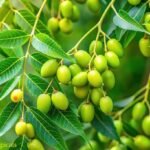
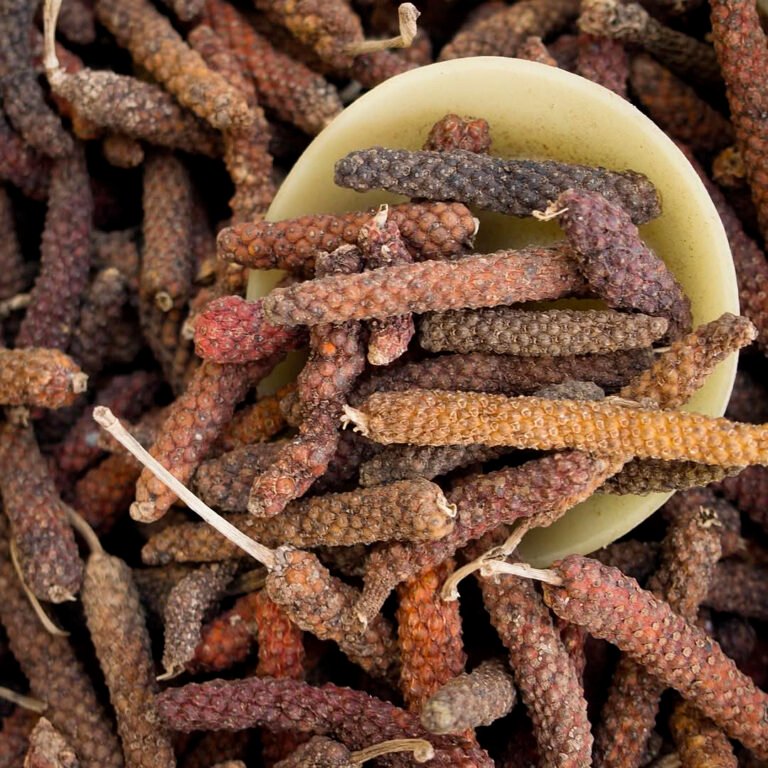
- Botanically, Chavya is a perennial woody climber characterized by slender stems, green lance-shaped leaves, and cylindrical fruit spikes. The fruits are initially green and gradually turn reddish as they mature. After harvesting and drying, the fruits develop their characteristic pungent taste and aromatic qualities. These dried fruit spikes resemble long pepper and have traditionally been used as both a spice and a medicinal ingredient. In many regions, the fruits are commonly referred to as Badi Pippali or Large Long Pepper because of their resemblance to the fruits of Piper longum.
- The history of Chavya extends back thousands of years. Long before black pepper became one of the world’s most widely traded spices, long pepper species such as Chavya were highly valued in ancient trade networks. Historical evidence suggests that these peppers were traded extensively across India, Southeast Asia, the Middle East, and even parts of Europe. Their unique flavor and medicinal properties made them prized commodities among traders, physicians, and herbal practitioners.
- Java Long Pepper (Piper retrofractum / Piper chaba)_In India, the use of Chavya dates back to ancient times and is well documented in classical Ayurvedic literature. References to this important herb can be found in several Ayurvedic Samhitas and Nighantus, where its medicinal properties are described in detail. Due to its powerful digestive, stimulant, and carminative actions, many Ayurvedic scholars have included Chavya in important herbal groups such as Panchakola and Shadushana. These formulations have traditionally been used to improve digestion, stimulate metabolism, enhance appetite, and support gastrointestinal health.
- Ancient Ayurvedic authorities assigned Chavya a distinguished place among medicinal herbs. In the Charaka Samhita, it has been included under the categories of Deepaniya, Triptighna, Arshoghna, Shoola-Prashamana, and Katu Skandha, highlighting its role in promoting digestive fire and relieving various digestive disorders. Similarly, the Sushruta Samhita includes Chavya in the renowned Pippalyadi Gana, a group of medicinal plants recognized for their therapeutic value in numerous health conditions.
- Over the centuries, some confusion has existed regarding the true botanical identity of Chavya. Certain scholars have considered the root of black pepper (Piper nigrum) to be Chavya; however, this interpretation is generally regarded as incorrect by many Ayurvedic experts and botanists. Classical Ayurvedic texts, together with modern botanical studies, identify Piper retrofractum as the accepted botanical source of Chavya. In traditional practice, its fruits are frequently used and are often marketed as Badi Pippali because of their visual similarity to long pepper.
- Apart from Ayurveda, Chavya has also been used in various traditional healing systems across Southeast Asia. In Indonesia, it forms an important component of Jamu, the country’s traditional herbal medicine. In Thailand, Malaysia, Cambodia, and neighboring countries, different parts of the plant have historically been employed in folk remedies for digestive complaints and general wellness. Its warming and stimulating nature has contributed to its long-standing popularity in traditional healthcare systems.
- Modern scientific research has further increased interest in Chavya. Studies have identified several bioactive compounds within the plant, including piperine, piplartine, sitosterol, essential oils, and various alkaloids. These naturally occurring constituents are believed to contribute to the plant’s medicinal properties and continue to attract attention from researchers investigating its pharmacological potential.
- Today, Chavya remains one of the notable herbs of Ayurveda and traditional Asian medicine. Its rich historical background, widespread geographical distribution, extensive traditional use, and growing scientific recognition continue to highlight its importance. From the humid forests of Southeast Asia to the classical texts of Ayurveda, Chavya has maintained its reputation as a valuable medicinal plant and an important component of traditional herbal knowledge.
Java Long Pepper in your language
Botanical Name of Java Long Pepper
Piper Retrofractum Vahl
Java Long Pepper Synonym
Piper chaba Hunter
Java Long Pepper Family
Piperaceae
Java Long Pepper in English
Java Long Pepper, Javanese Long Pepper
Java Long Pepper in Arabic
دار فلفل (Dar Fulful)
Java Long Pepper in Persian
بڑی پیپلی (Badi Peepli)
Java Long Pepper in Indonesian
Cabai Jawa
Java Long Pepper in Malay
Lada Jawa
Java Long Pepper in Sanskrit
चव्यम् (Chavyam), चविका (Chavika), ऊषणा (Ushana)
Java Long Pepper in Hindi
चव्य (Chavya), चाब (Chaab), चाभ (Chabh), चब (Chab)
Java Long Pepper in Bengali
চব্যা (Chabya), চই (Chai), চোই (Choi)
Java Long Pepper in Nepali
चाबो (Chabo)
Java Long Pepper in Marathi
चवक (Chavak), चाबचीनी (Chabchini), मिरविला (Miravela)
Java Long Pepper in Kannada
ಚವ್ಯ (Chavya)
Java Long Pepper in Gujarati
ચવક (Chavak)
Java Long Pepper in Malayalam
ചവ്യം (Chavyam)
Java Long Pepper in Tamil
சவ்யம் (Chavyam), ஆனை திப்பிலி (Anai Tippali)
Java Long Pepper in Telugu
సావసు (Saevasu), చక్రాణి (Chakrani), చవ్యము (Chavayamu), చాయికామ (Chaikama)
Physical Appearance of Java Long Pepper (Piper retrofractum,Chavya )
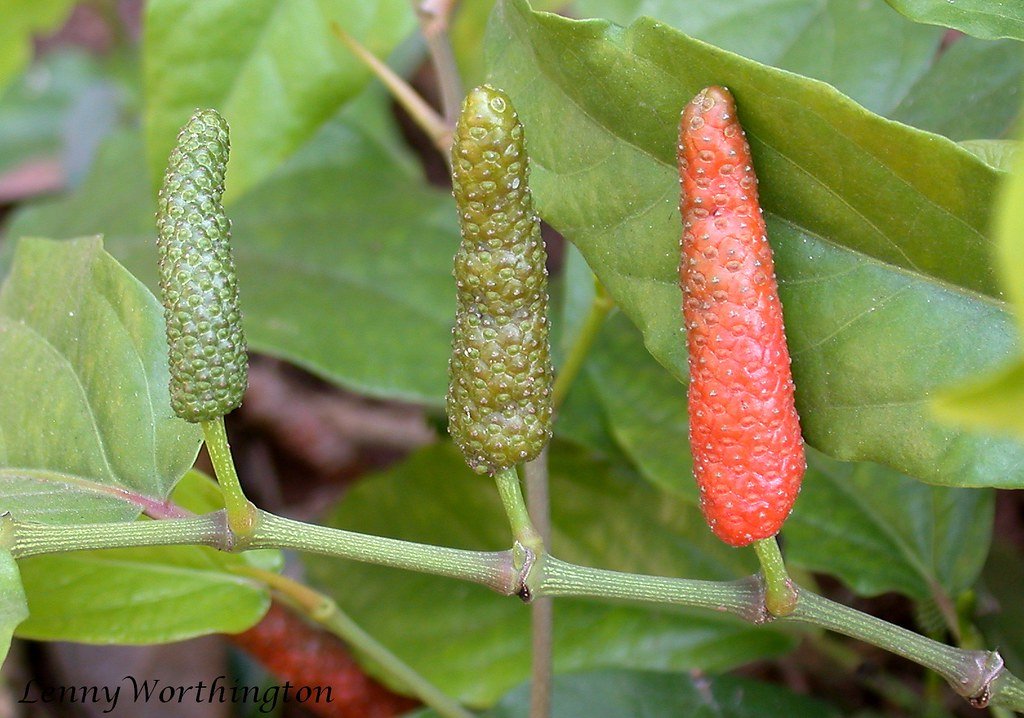
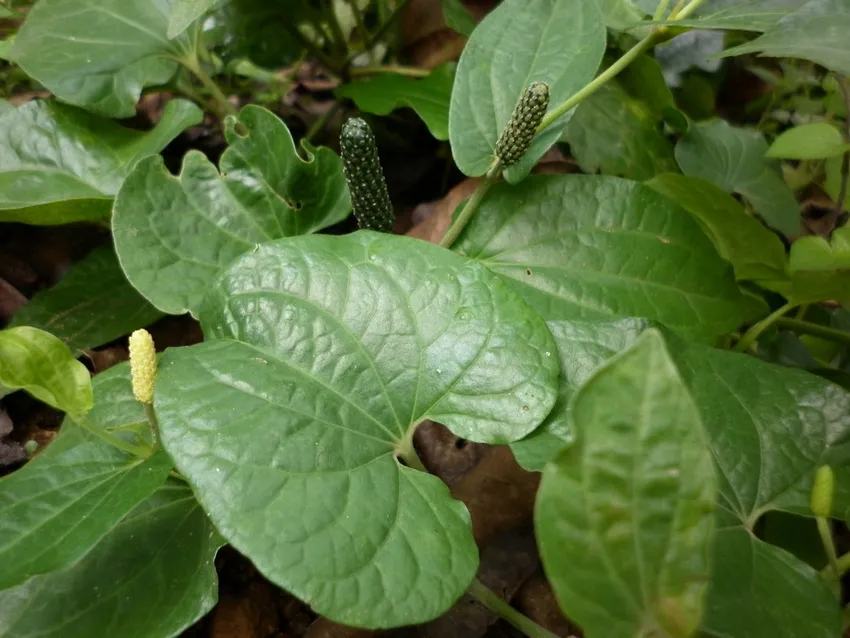
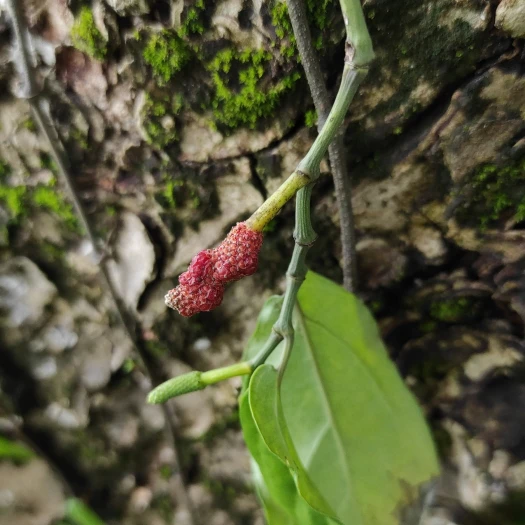
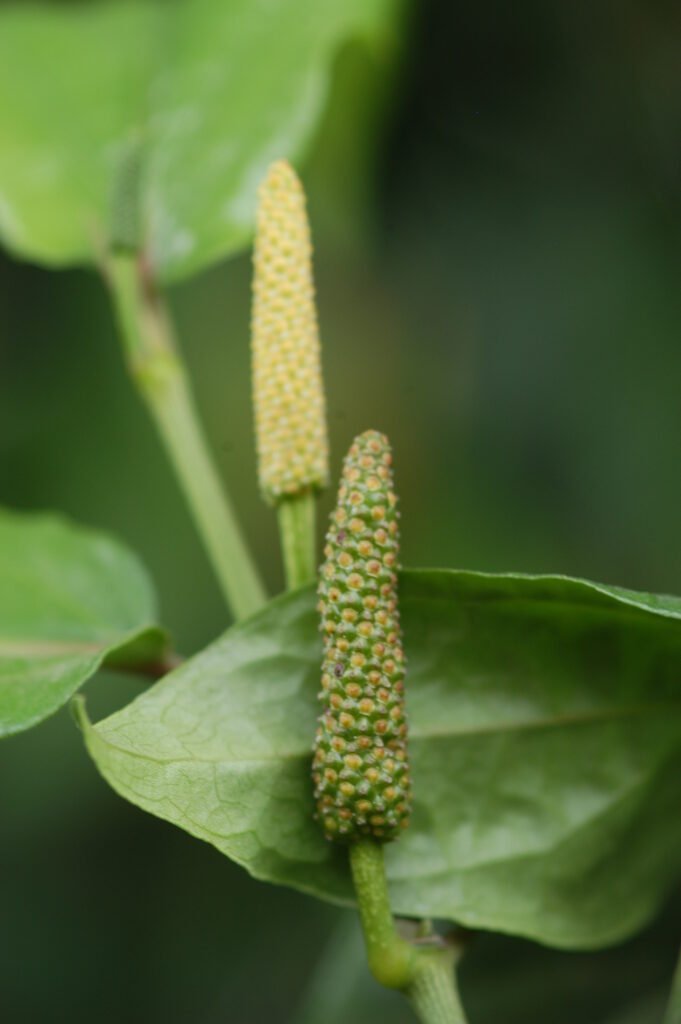
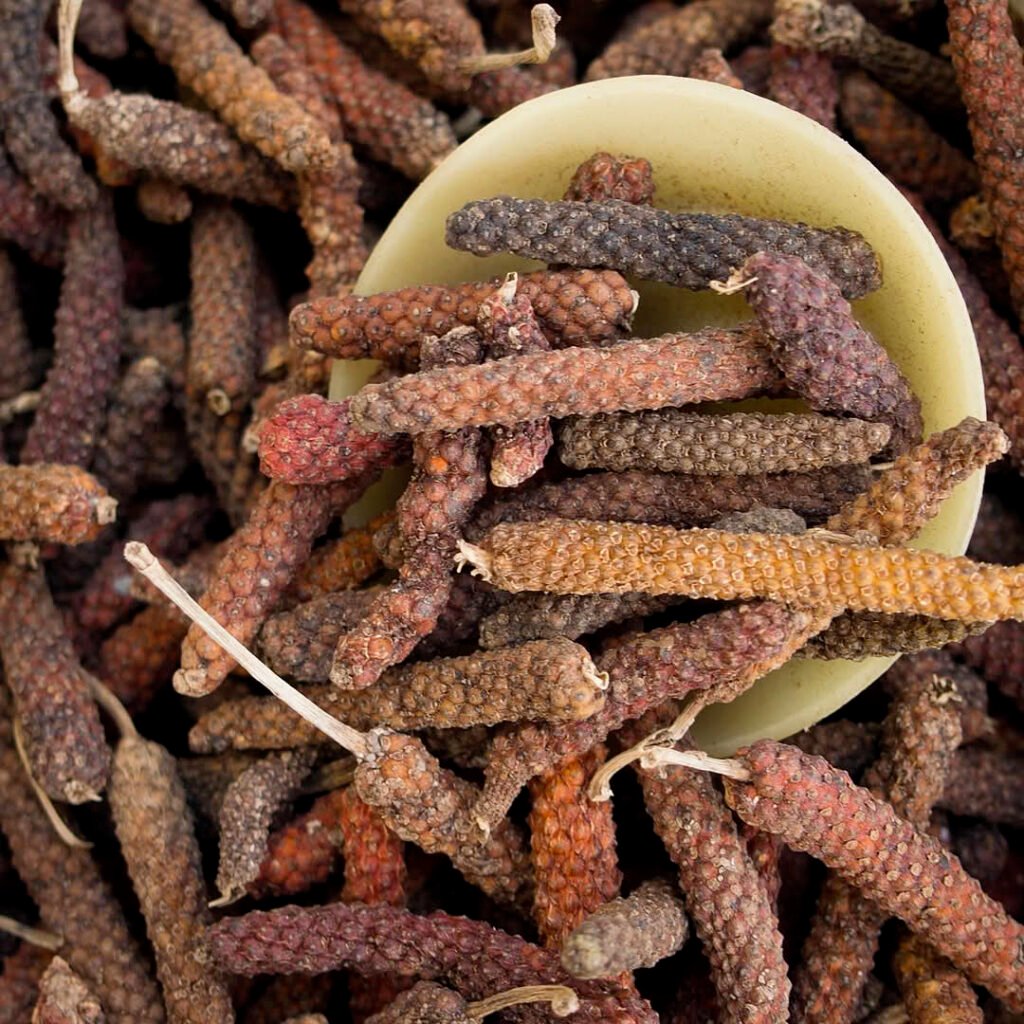
- Growth Habit:– Chavya is a perennial, climbing vine belonging to the Piperaceae family. It grows with the support of trees, poles, or other structures and spreads extensively under favorable conditions.
- Plant Height and Spread:- The plant can grow several meters in length and forms a dense network of branches and foliage. Its climbing nature allows it to cover a large area over time.
- Stem:- The stem is thick, cylindrical, and climbing in nature. It contains swollen nodes and develops a woody texture as the plant matures.
- Branches:- The branches are hard, rounded, and somewhat twisted. They possess swollen joints and contribute to the plant’s spreading growth habit.
- Leaves:- The leaves resemble betel leaves in shape and measure about 12.5–17.5 cm in length and 6.2–8.0 cm in width. They are heart-shaped, pointed at the tip, and marked by three prominent veins.
- Leaf Texture and Color:- The upper surface of the leaves is smooth, glossy, and dark green, while the lower surface is lighter in color. When crushed, the leaves release a mild spicy aroma.
- Root System:-The plant develops both underground roots and adventitious roots from its stem nodes. These roots help it attach firmly to supporting structures.
- Flowers:- The flowers are very small, reddish in color, and arranged on slender spikes. Male and female flowers occur on separate spikes.
- Inflorescence:- The flower spikes are cylindrical and emerge from the leaf axils. Numerous tiny flowers are closely packed along each spike.
- Fruits:- The fruits are small, aromatic, and pungent. They are oval to nearly round in shape and measure about 3 mm in diameter. The fruits grow closely together on elongated spikes.
- Seeds:- Each fruit usually contains a single small, round seed that helps in the propagation of the plant.
- Aroma and Taste:- Chavya possesses a strong spicy aroma and a sharp, pungent taste. These characteristics make it valuable as both a medicinal herb and a spice.
- Flowering and Fruiting Season:- The flowering and fruiting period generally extends from August to March. During this time, the plant produces numerous flower and fruit spikes.
- Identification Features:- Chavya can be identified by its climbing habit, thick stems with swollen nodes, glossy heart-shaped leaves, reddish flowers, and compact spikes of aromatic fruits.
Chemical Composition of Java Long Pepper
Chemical Constituents of the Fruits
- The fruits of Chavya contain several important chemical compounds, including protein, piperine, starch, and non-volatile oil. They also contain an alkaloidal substance similar to pellitorine, along with a thick, green, aromatic, and pungent volatile oil. These constituents are responsible for the characteristic flavor, aroma, and medicinal value of the fruits.
Chemical Constituents of the Stem
- The stem contains a variety of bioactive compounds such as piperine, piplartine, β-sitosterol, pellitorine, retrofractamide A, retrofractamide B, and retrofractamide C. In addition, sesamin, glycosides, mucilage, glucose, and fructose are also present.
Significance of the Chemical Constituents
- The presence of alkaloids, volatile oils, sterols, glycosides, and natural sugars contributes to the medicinal importance of Chavya. These compounds are believed to play a significant role in the plant’s characteristic pungency, aroma, and traditional therapeutic applications.
Ayurvedic Properties, Actions and Effects
- Chavya is pungent (Katu) in taste and hot (Ushna) in potency. It is light, dry, and sharp in nature and helps balance Kapha and Vata doshas.
- It acts as an appetizer, digestive stimulant, pain reliever, Ama-digesting herb, and metabolism enhancer.
- Traditionally, it is used in piles, intestinal worms, cough, asthma, abdominal pain, splenic disorders, abdominal distension, rhinitis, loss of appetite, fever, poisoning, and diarrhea.
- The flowers are considered beneficial in cough, asthma, poisoning, and wasting disorders.
- The fruits possess stimulant, carminative, anthelmintic, and expectorant properties.
- The root is traditionally regarded as an antidotal (Alexeteric) agent.
- Studies have reported gastroprotective and hepatoprotective activities in fruit extracts.
- Experimental studies have also demonstrated anti-amoebic activity against Entamoeba histolytica and anti-mycobacterial activity in fruit extracts.
Medicinal Uses of Java Long Pepper , Dosage and Administration
Nasal Disorders :-
- A mixture of 500 mg Chavya root powder, 250 mg dry ginger (Shunthi) powder, and 250 mg Chitraka powder may be taken with honey. Traditionally, this formulation is used to help manage rhinitis (nasal catarrh) and cough.
Throat Disorders :-
- Sore Throat : – A decoction prepared from the root of Chavya may be administered in a dose of 10–15 ml. Traditionally, it is used to help relieve throat irritation and hoarseness.
Chest Disorders :-
- Asthma and Lung Inflammatio : – A decoction of Chavya root may be taken in a dose of 10–15 ml. In traditional Ayurvedic practice, it is used to support respiratory health and may help in conditions such as asthma and inflammation of the lungs.
- Tuberculosis : –A powder prepared from equal parts of Chavya, dry ginger (Shunthi), black pepper (Maricha), long pepper (Pippali), and Vidanga may be taken in a dose of 3–4 g mixed with honey and ghee. Traditionally, this formulation has been used in Ayurveda to support individuals suffering from Kshaya Roga (wasting disorders).
Abdominal Disorders :-
- Dysentery : – Consumption of 5–10 g of Chavyadi Ghrita is traditionally recommended in Ayurveda for dysentery, rectal prolapse, painful urination, rectal pain, and groin pain.
- General Abdominal Disorders : – A paste prepared from Chavya and dry ginger (Shunthi) may be taken in a dose of 1–2 g with milk. Traditionally, this formulation is used to support digestive health and relieve abdominal disorders.
- Abdominal Disorders : – A decoction prepared from Chavya, Chitraka, Shunthi, and Devadaru may be administered in a dose of 10–20 ml along with 500 mg of Trivrit powder and cow’s urine. In traditional practice, this combination is used for various abdominal ailments.
- Indigestion, Abdominal Pain, and Diarrhea : – A decoction of Chavya root may be taken in a dose of 10–15 ml. It is traditionally used to help manage indigestion, stomach pain, and diarrhea.
- Digestive Disorders : – A powder prepared from equal parts of Pippali, Pippali root, Chitraka, Chavya, and dry ginger may be taken in a dose of about 1 g mixed with honey. Traditionally, it is used in various digestive and abdominal disorders.
- Flatulence (Bloating) : –About 500 mg of Chavya fruit powder mixed with honey may be consumed. This traditional remedy is used to help relieve abdominal bloating and excessive gas formation.
- Vomiting and Diarrhea : – A decoction prepared from Atis, Kuth, unripe Bael fruit pulp, dry ginger, Kutaja bark, Indrayava, and Haritaki may be administered in a dose of 10–30 ml. Traditionally, this formulation is used to help manage vomiting and diarrhea.
- Grahani (Malabsorption Syndrome) : –A powder prepared from equal parts of Chavya, Chitraka, Bael fruit pulp, and dry ginger may be taken in a dose of 2–4 g with buttermilk (Takra). In Ayurveda, this combination is traditionally used for Grahani disorders.
- To Stimulate Digestive Fire :- Chavya fruit powder mixed with fresh ginger juice and honey may be taken morning and evening. Traditionally, it is used to stimulate digestive fire (Jatharagni) and support respiratory health.
- Diarrhea :- A mixture of 1–2 g of Chavya fruit powder and an equal quantity of mango kernel powder may be ground with water, filtered, and administered. This traditional preparation is used to help control diarrhea.
Piles and Rectal Disorders : –
- Hemorrhoids :– Consumption of 1–2 g of Chavya fruit powder is traditionally recommended in Ayurveda for the management of hemorrhoids (piles).A decoction prepared from Chavya root may be administered in a dose of 10–15 ml. Traditionally, it is used to help relieve symptoms associated with piles.
Kidney and Urinary Disorders :-
- A decoction prepared from Chavya, Arani, Triphala, and Patha may be administered in a dose of 10–30 ml mixed with honey. In traditional Ayurvedic practice, this formulation is used in Kaphaja Prameha and related urinary disorders.
Mental and Neurological Disorders :-
- Alcohol Intoxication :-A powder prepared from equal parts of Chavya, black salt, dried citron (Bijora lemon) pulp, and dry ginger may be taken in a dose of 2–4 g with warm water. Traditionally, this formulation is used in the management of alcohol-related disorders
- Epilepsy :- Nasal administration (Nasya) of Chavya powder is traditionally recommended in Ayurveda for supporting the management of Apasmara (epilepsy).
General Body Disorders : –
- A powder prepared from equal parts of Chavya, white cumin, dry ginger, black pepper, long pepper, asafoetida, black salt, and Chitraka may be used in a dose of 1–2 g. Traditionally, the powder is mixed with roasted barley flour (Yava Sattu) and blended with diluted curd water (buttermilk) before consumption. In Ayurveda, this formulation is used to help manage obesity, support healthy metabolism, and stimulate digestive fire (Jatharagni).
Back To Home

Ayuage is a trusted platform dedicated to sharing practical, easy-to-understand, and reliable insights on health, nutrition, wellness, and healthy living. Our goal is to simplify important health topics and provide readers with helpful information that supports smarter food choices and a balanced lifestyle.