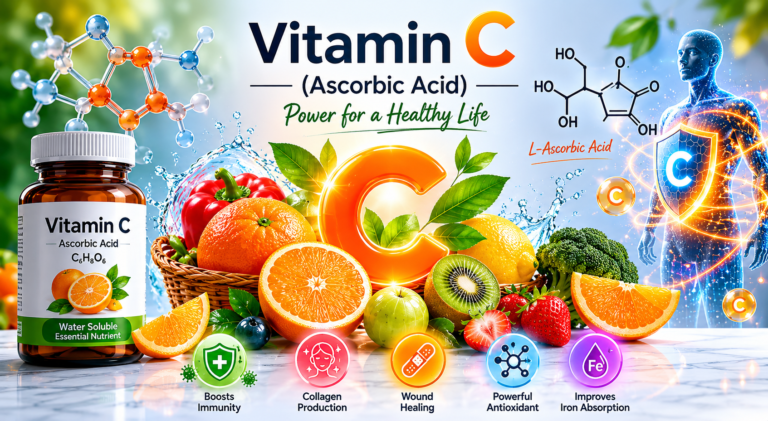
Vitamin C (Ascorbic Acid), also known as Ascorbic Acid, is one of the most important vitamins required by the human body. It plays a major role in immunity, collagen formation, wound healing, antioxidant protection, and iron absorption. The discovery of Vitamin C is closely connected to the history of a deadly disease called Scurvy, which affected sailors for centuries.
Early History of Vitamin C
James Lind’s Experiment (1747) Long before scientists discovered vitamins, ancient civilizations noticed that certain fresh foods could cure bleeding and weakness-related illnesses.
Ancient Egyptians, Greeks, and Romans used fresh fruits and vegetables for healing.
Sailors during long sea voyages often suffered from scurvy because they lacked access to fresh food.
During the 15th to 18th centuries, scurvy became one of the deadliest diseases among sailors.
What Was Scurvy?– Scurvy is a disease caused by severe Vitamin C deficiency.
Common Symptoms:
Bleeding gums
Loose teeth
Weakness and fatigue
Joint pain
Skin bruises
Poor wound healing
Depression
Death in severe cases
Millions of sailors died from scurvy before the actual cause was understood.
Discovery of Vitamin C
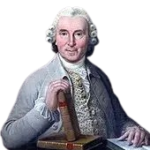
James Lind’s Experiment (1747)
James Lind, a Scottish naval doctor, conducted one of the first controlled clinical experiments in medical history.
In 1747, he selected sailors suffering from scurvy and divided them into groups with different treatments. One group received oranges and lemons daily.
Result:
The sailors who consumed citrus fruits recovered much faster than the others.
This experiment proved that citrus fruits contained a substance capable of preventing and curing scurvy, although the exact nutrient was still unknown.
Albert Szent-Györgyi’s Discovery (1928–1932)
Albert Szent-Gyorgyi was the scientist who successfully isolated Vitamin C.
He extracted a substance called hexuronic acid from:
Adrenal glands Oranges Cabbage Paprika peppers
Later, scientists discovered that hexuronic acid was actually Vitamin C.
The compound was renamed:-Ascorbic Acid
meaning “anti-scurvy acid.”
Nobel Prize Achievement
In 1937, Albert Szent-Gyorgyi received the Nobel Prize in Physiology or Medicine for his discoveries related to Vitamin C and biological oxidation processes.
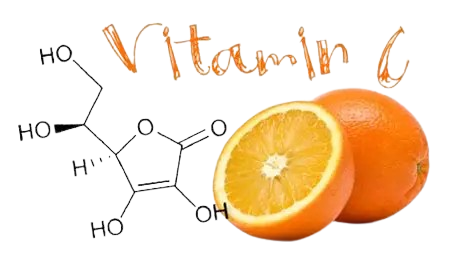
Chemical Structure
Chemical Formula of Vitamin C:
C6H8O6
Vitamin C is a water-soluble organic compound and a powerful antioxidant.
SOURCE OF VITAMIN C
Fruits Rich in Vitamin C
Amla (Indian Gooseberry)
Orange
Lemon
Guava
Kiwi
Strawberry
Pineapple
Papaya
Vegetables Rich in Vitamin C
Bell peppers
Broccoli
Spinach
Cabbage
Tomatoes
Cauliflower
Amla is considered one of the richest natural sources of Vitamin C.
Importance of Vitamin C in the Human Body
Vitamin C helps:
Strengthen the immune system
Produce collagen for skin and tissues
Heal wounds faster
Protect cells from oxidative damage
Improve iron absorption
Maintain healthy gums and bones
Humans cannot produce Vitamin C naturally inside the body, so it must be obtained through food or supplements.
Interesting Facts About Vitamin C
Humans, monkeys, and guinea pigs cannot naturally produce Vitamin C.
Vitamin C is destroyed by excessive heat during cooking.
Sailors were once called “limeys” because British sailors consumed limes to prevent scurvy.
Vitamin C is one of the most widely used dietary supplements in the world.
Conclusion
The discovery of Vitamin C changed the history of medicine and nutrition. From deadly scurvy outbreaks among sailors to Nobel Prize-winning scientific research, Vitamin C became one of the most important discoveries in modern health science. Today, it remains essential for immunity, skin health, healing, and overall body function.
Ayuage is a trusted platform dedicated to sharing practical, easy-to-understand, and reliable insights on health, nutrition, wellness, and healthy living. Our goal is to simplify important health topics and provide readers with helpful information that supports smarter food choices and a balanced lifestyle.