Everything About Rice (Oryza sativa): 30+ Powerful Facts, Origins, Cultivation Secrets, Top Producing Countries, Uses & Health Benefits
Introduction
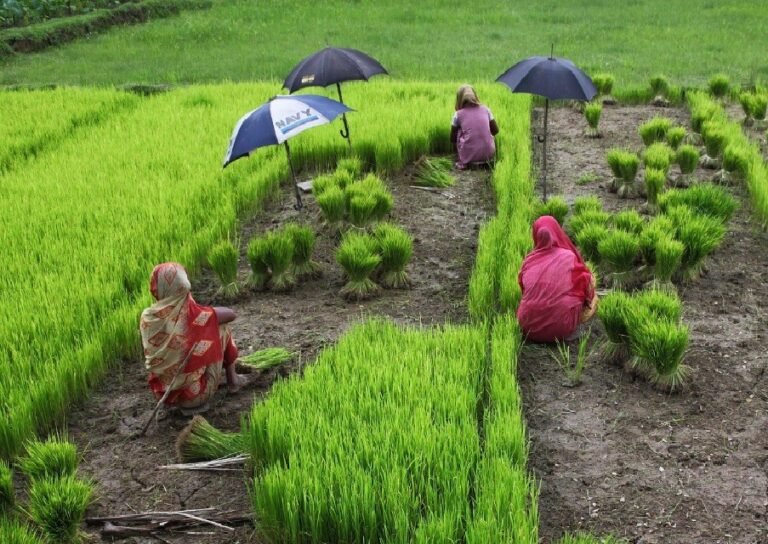
- Rice (Oryza sativa) is one of the world’s most important, valuable, and widely consumed cereal crops. Feeding more than half of the global population, rice has become a fundamental part of daily diets, agricultural economies, and cultural traditions across continents. From the fertile plains of Asia to the river valleys of South America and the agricultural regions of Africa, Europe, and Oceania, rice continues to play a vital role in global food security.
- Today, rice is cultivated in more than 100 countries and is considered one of the most successful agricultural crops ever developed by humans. China is the world’s largest producer of rice, followed by India, Bangladesh, Indonesia, Vietnam, Thailand, Pakistan, Myanmar, the Philippines, and Brazil. These countries collectively produce hundreds of millions of tons of rice every year, ensuring a stable food supply for billions of people worldwide.
- One of the most remarkable characteristics of rice is its adaptability. It can be grown in tropical lowlands, irrigated plains, coastal regions, river deltas, and mountainous terraces. This exceptional ability to thrive under diverse environmental conditions has helped rice become one of the most reliable food crops on Earth.
- Rice is available in thousands of varieties, including Basmati Rice, Jasmine Rice, Arborio Rice, Brown Rice, Black Rice, Red Rice, and Sticky Rice. These varieties differ in aroma, texture, grain size, nutritional value, and culinary uses, contributing to a rich and diverse food culture around the world.
- Apart from its nutritional importance, rice has significant economic value. The rice industry supports millions of farmers, laborers, exporters, traders, and food manufacturers. Despite challenges such as water scarcity, climate change, pest infestations, and soil degradation, rice remains one of the most indispensable crops for humanity.
Discovery of Rice
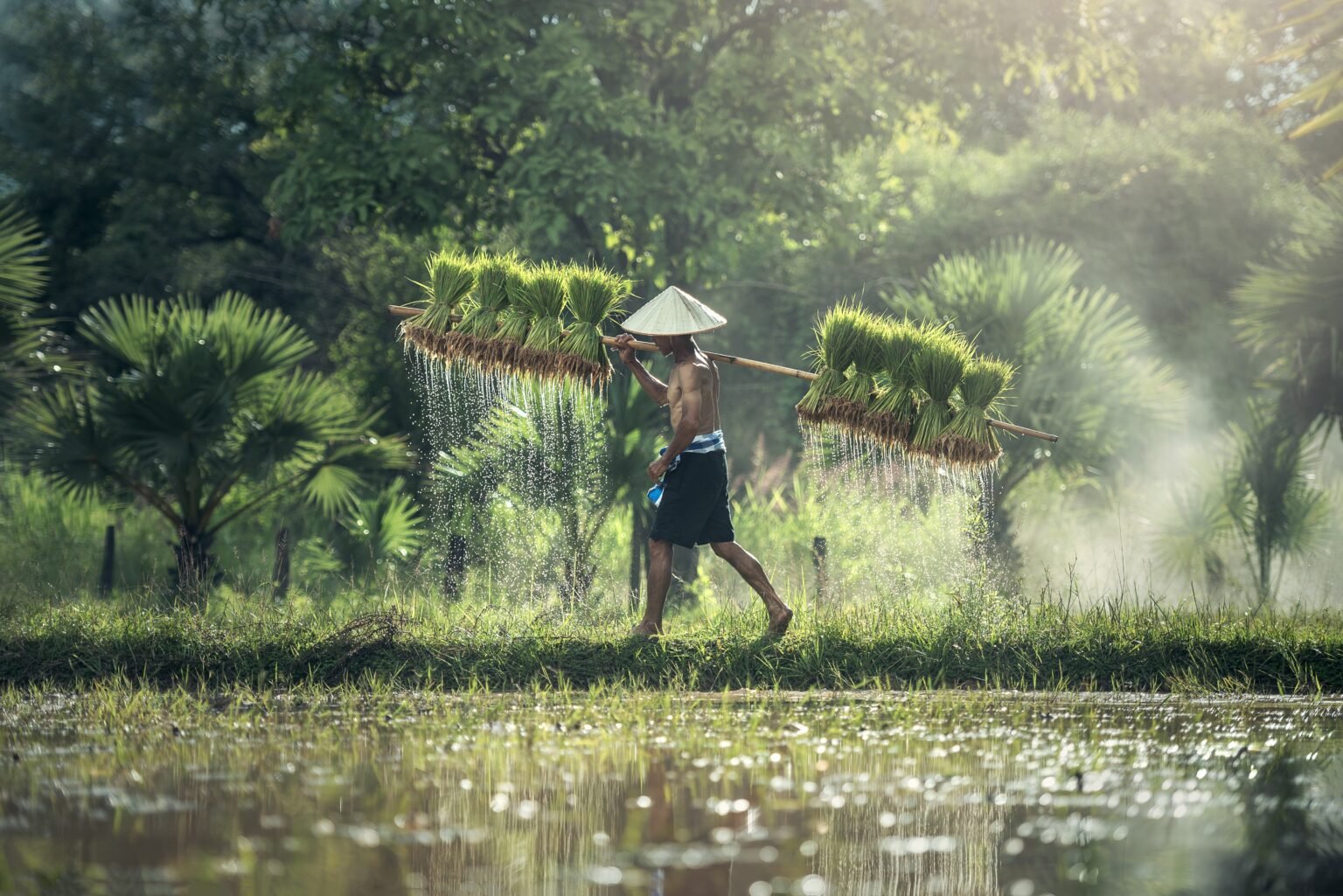
- The discovery of rice is considered one of the most significant milestones in agricultural history. Scientists and archaeologists believe that wild rice species were first utilized by ancient hunter-gatherer communities thousands of years ago. Through careful observation and experimentation, early humans gradually learned how to cultivate and harvest rice, transforming it from a naturally growing grass into a dependable food source.
- Archaeological findings suggest that rice domestication began approximately 8,000 to 10,000 years ago in parts of Asia, particularly in regions associated with present-day China. Ancient communities discovered that rice grains could be planted, harvested, stored, and consumed throughout the year, providing a more secure and sustainable food supply than hunting and gathering alone.
- The discovery of rice cultivation represented a revolutionary advancement for human civilization. It enabled populations to settle permanently, establish agricultural societies, and support larger communities. This groundbreaking achievement laid the foundation for the development of many early civilizations throughout Asia and eventually influenced agricultural systems around the world.
Powerful History
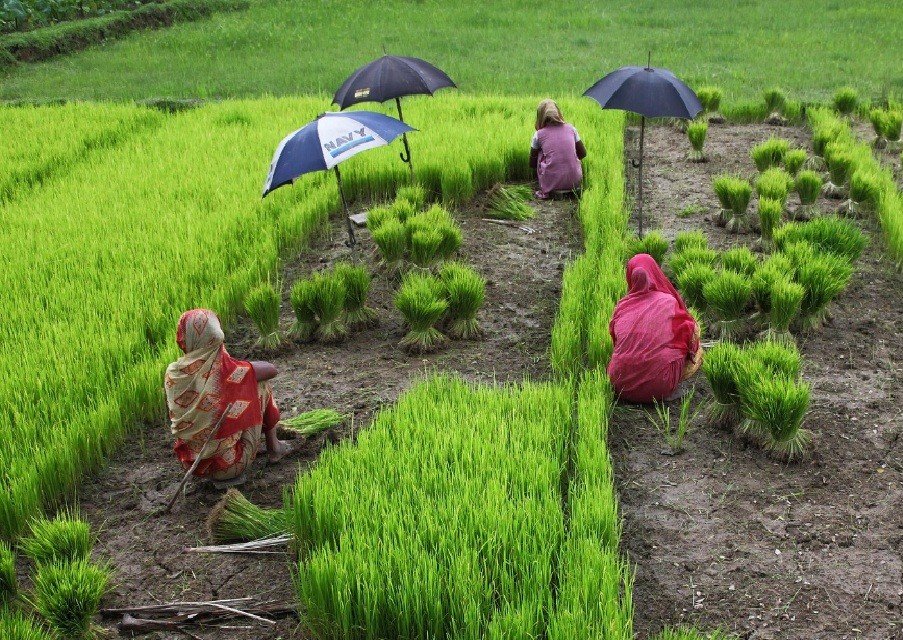
- The history of rice spans thousands of years and reflects humanity’s continuous efforts to improve agriculture and food production. After its early domestication in Asia, rice cultivation gradually spread to India, Southeast Asia, Korea, Japan, and other neighboring regions. Ancient farmers developed sophisticated irrigation systems, farming techniques, and cultivation methods that significantly increased productivity.
- Historical records indicate that rice became deeply integrated into the cultures, economies, and traditions of numerous civilizations. In India, rice has been mentioned in ancient Vedic literature, Ayurvedic texts, and classical Sanskrit works. In China, rice cultivation played a crucial role in supporting population growth and economic development for centuries.
- As trade routes expanded, rice spread beyond Asia into the Middle East, Africa, and Europe. During later centuries, explorers and traders introduced rice to the Americas, where it became an important agricultural crop in several countries. Over time, farmers developed thousands of unique rice varieties adapted to local climates, soils, and consumer preferences.
- Today, rice stands as one of the most influential, productive, and economically important crops in the world. Although modern rice cultivation faces serious challenges such as climate change, extreme weather conditions, declining water resources, and increasing food demand, ongoing scientific research and agricultural innovation continue to improve rice production and sustainability.
- The journey of rice from a wild grass to a globally cultivated crop represents one of humanity’s most extraordinary agricultural achievements and highlights its enduring importance in feeding the world’s growing population.
Rice in your language
Language
Name
Language
Name
Botanical Name of Rice/Scientific Name of Rice
Oryza sativa Linn
Rice in Persian/Farsi (Iran)
برنج (Biranj)
Rice Synonym
Oryza plena (Prain)
Rice in Turkish (Turkey)
Pirinç (Pirinch)
Rice Family
Poaceae
Rice in Hebrew (Israel)
אורז (Orez)
Rice in English
Rice
Rice in Chinese (China)
米 (Mǐ)
Rice in Sanskrit (India)
शालिधान्यम् (Shalidhaanyam), व्रीहिः (Vrihi), तण्डुलः (Tandula), षष्टिकाः (Shashtika)
Rice in Japanese (Japan)
米 (Kome)
Rice in Hindi (India)
चावल (Chawal), धान (Dhan)
Rice in Korean (South Korea)
쌀 (Ssal)
Rice in Urdu (Pakistan)
چاول (Chawal)
Rice in Thai (Thailand)
ข้าว (Khao)
Rice in Punjabi (India/Pakistan)
ਚੌਲ (Chaul), ਧਾਨ (Dhan)
Rice in Vietnamese (Vietnam)
Gạo (Gao)
Rice in Arabic (Middle East)
أرز (Arz), أَرُزّ (Aruzz)
Rice in Indonesian (Indonesia)
Beras (Beras), Padi (Padi)
Rice in Malay (Malaysia/Brunei)
Beras (Beras), Padi (Padi)
Rice in Filipino/Tagalog (Philippines)
Bigas (Bigas)
Rice in Burmese (Myanmar)
ဆန် (Hsan)
Rice in Khmer (Cambodia)
បាយ (Bai)
Rice in Lao (Laos)
ເຂົ້າ (Khao)
Rice in Russian (Russia)
Рис (Ris)
Rice in Ukrainian (Ukraine)
Рис (Rys)
Rice in Polish (Poland)
Ryż (Ryz)
Rice in Czech (Czech Republic)
Rýže (Ryze)
Rice in German (Germany)
Reis (Rice)
Rice in Dutch (Netherlands)
Rijst (Rijst)
Rice in French (France)
Riz (Ree)
Rice in Spanish (Spain/Latin America)
Arroz (Arroz)
Rice in Portuguese (Portugal/Brazil
Arroz (Arroz)
Rice in Italian (Italy)
Riso (Riso)
Rice in Romanian (Romania)
Orez (Orez)
Rice in Greek (Greece)
Ρύζι (Ryzi)
Rice in Greek (Greece)
Ρύζι (Ryzi)
Rice in Swedish (Sweden
Ris (Ris)
Rice in Norwegian (Norway)
Ris (Ris)
Rice in Danish (Denmark)
Ris (Ris)
Rice in Finnish (Finland)
Riisi (Riisi)
Rice in Hungarian (Hungary
Rizs (Rizs)
Rice in Serbian (Serbia
Pirinač (Pirinac)
Rice in Croatian (Croatia)
Riža (Riza)
Rice in Bulgarian (Bulgaria)
Ориз (Oriz)
Rice in Swahili (East Africa)
Mchele (Mchele)
Rice in Afrikaans (South Africa)
Rys (Rys)
Rice in Somali (Somalia)
Bariis (Bariis)
Zulu (South Africa)
Ilayisi (Ilayisi)
Physical Appearance of rice
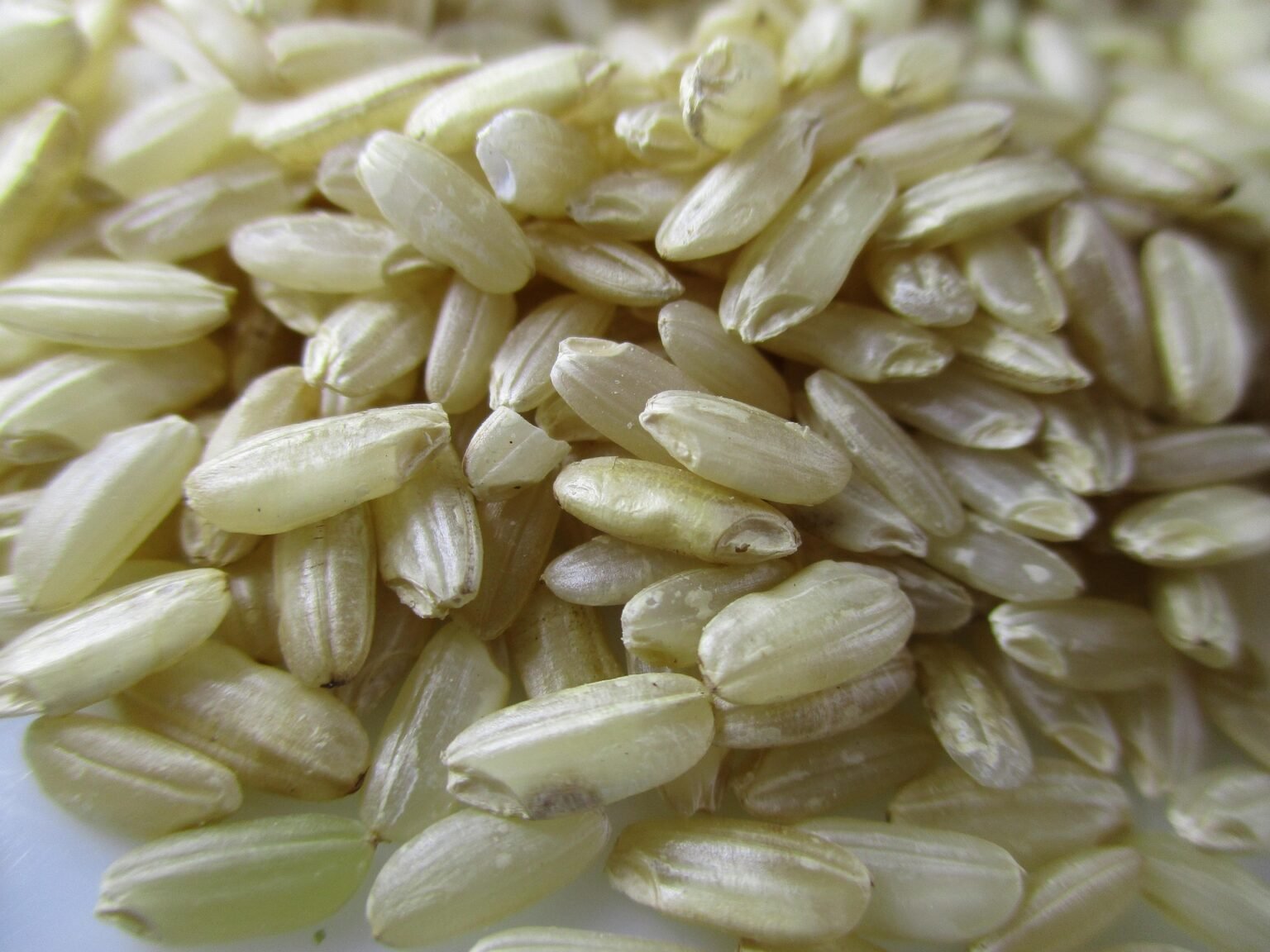
- Rice is one of the most widely consumed cereal grains in the world. Its physical appearance varies depending on the variety, processing method, and growing conditions. However, most rice grains share several common characteristics.
📏 Shape and Size
Rice grains are generally small and elongated, but their shape varies by variety:
- 🌿 Long-Grain Rice – Slender, long, and separate after cooking.
- 🌾 Medium-Grain Rice – Slightly shorter and broader with a tender texture.
- 🔹 Short-Grain Rice – Round, plump, and sticky when cooked.
🎨 Color
Rice can appear in different colors depending on processing and variety:
- ⚪ White Rice – Bright white to creamy white.
- 🟤 Brown Rice – Light to dark brown due to the bran layer.
- 🔴 Red Rice – Reddish-brown outer coating.
- ⚫ Black Rice – Deep purple to black appearance.
✨ Surface Texture
- 🪨 Hard and dry in its raw form.
- 💎 Smooth and glossy when polished.
- 🌱 Slightly rough in whole-grain varieties.
📐 Grain Dimensions
- 📏 Length: Usually 4–10 mm.
- 📍 Width: Generally 1.5–3 mm.
👃 Aroma
- 🌸 Aromatic varieties such as Basmati Rice produce a pleasant fragrance.
- 🍚 Common rice varieties usually have a mild or neutral smell.
🔍 Overall Appearance
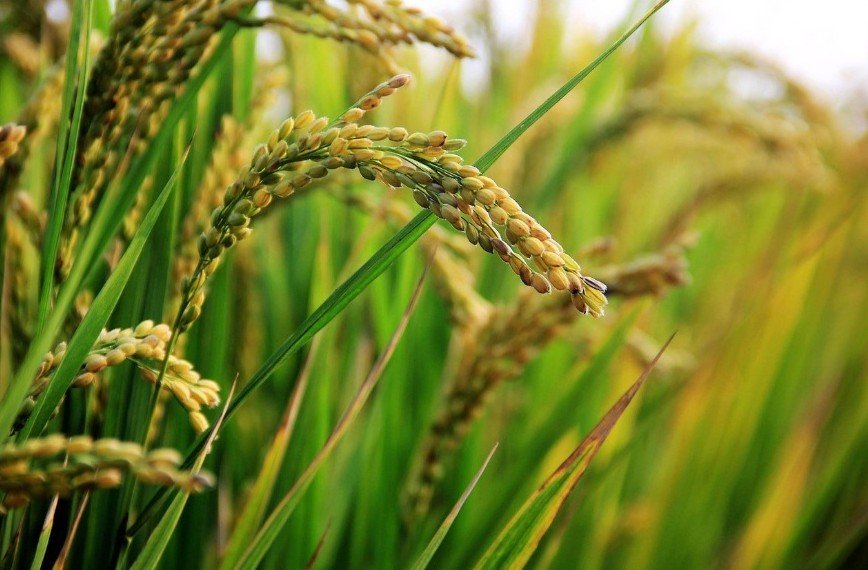
- 🌾 Rice is the edible seed of the rice plant.
- 🛡️ Before processing, grains are covered by a protective husk.
- ✨ After milling, grains become smooth, clean, and uniform in appearance.
- 🎯 Depending on the variety, rice may be long, medium, or short and can range in color from white and brown to red and black.
Ayurvedic Properties, Actions & Effects of rice
Properties
- Taste: Sweet
- Potency: Cooling
- Post-Digestive Effect: Sweet
- Qualities: Light, Soft, Slightly Oily
- Effect on Body Types: Generally supports Vata and Pitta balance when properly prepared; excessive consumption may increase Kapha.
Actions
- Promotes strength and vitality.
- Nourishes body tissues.
- Supports healthy weight gain.
- Provides a feeling of fullness and satisfaction.
- Supports healthy digestion.
- Assists normal urinary function.
- Helps maintain overall wellness and energy.
Effects on the Body
- Supports Energy Production : – Rice is rich in carbohydrates, providing a quick and reliable source of energy for daily activities.
- Nourishes Body Tissues:– Rice helps nourish body tissues and supports overall growth, maintenance, and repair.
- Gentle on Digestion : – Well-cooked rice is easy to digest and is commonly recommended during recovery from illness or digestive discomfort.
- Helps Reduce Excess Body Heat :- Its naturally cooling nature may help reduce internal heat and provide comfort during hot conditions.
- Promotes Recovery :- Rice is often included in recovery diets because it is nourishing, light, and easy to digest.
- Supports Hydration :- Rice preparations such as rice gruel can help maintain fluid balance while providing gentle nourishment.
- Traditional Perspective :- Aged rice is generally considered lighter and easier to digest than freshly harvested rice.
Rice is widely used in traditional dietary preparations for digestive support and recovery.
It is often recommended as part of a balanced diet to help maintain strength, vitality, and digestive comfort.
Key Benefits of Rice
- Provides sustained energy.
Nourishes body tissues.
Supports healthy digestion.
Helps maintain body balance.
Promotes strength and vitality.
Useful during recovery and convalescence.
Gentle and easy to digest when properly cooked.
Rice is considered a wholesome, nourishing food that supports energy, strength, digestion, and overall well-being when consumed as part of a balanced diet.
Medicinal Uses, Dose & Method of Administration (Tea – Camellia sinensis)
🧠 Headache: Tea leaf infusion (fanta), 5–15 ml taken orally, helps in relieving headache and provides a calming and pain-reducing effect on the head.
👁️ Eye Disorders: Tea leaf infusion, 1–2 drops in the eyes, helps in relieving eye infection (conjunctivitis) within 2–3 days and gives a soothing, cooling effect.
🗣️ Throat Problems: Gargling with tea decoction 2–3 times daily helps in healing throat irritation or injury and provides a soothing effect on the throat.
🫁 Respiratory Disorders: A decoction made with Haritaki, Bibhitaki, Amla, Revandchini, and tea leaves (15–20 ml) helps in relieving cough and breathing problems, and supports respiratory health.
🫃 Abdominal Disorders: Tea decoction mixed with mint and ajwain seeds, taken in 15–20 ml dose, helps relieve abdominal pain caused by gas and provides a relaxing effect on the digestive system.
🧴 Urinary Disorders: Tea leaf infusion, taken in 10–15 ml dose, helps in improving urinary problems and supports normal urinary function.
❤️ Reproductive Health: Tea mixed with sugar candy, cinnamon, and milk, prepared and taken in 15–20 ml dose, is believed to help in enhancing vitality and improving reproductive strength.
🧑🦰 Skin Burns & Injuries: Cooled tea decoction is used as a natural external application. Cloth soaked in it is placed on burned areas and applied repeatedly, helping to reduce blisters, prevent skin damage, and promote healing.
🔥 Fever & Body Weakness: Tea leaf infusion (fanta) taken orally helps in reducing fever and relieves muscle weakness and fatigue, providing a mild strengthening and energizing effect.
💧 Swelling (Inflammation): Crushed tea leaves warmed slightly and applied on swollen areas help reduce inflammation and give a calming anti-swelling effect.
🩺 Lumps & Swelling Conditions: Paste made from boiled tea leaves, when applied externally, helps in reducing lumps and inflammatory swelling, supporting local healing.
Back To Home

Ayuage is a trusted platform dedicated to sharing practical, easy-to-understand, and reliable insights on health, nutrition, wellness, and healthy living. Our goal is to simplify important health topics and provide readers with helpful information that supports smarter food choices and a balanced lifestyle.