Simplest Website || Full Content || Point To Point
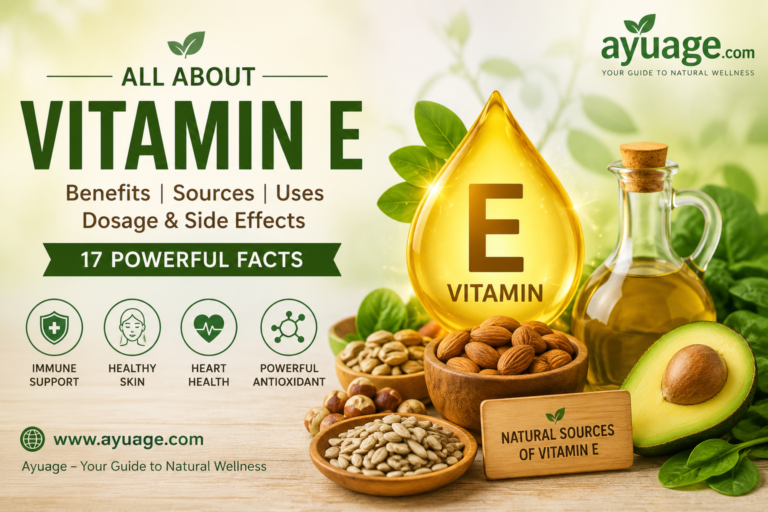
Vitamin E: Complete Guide to Benefits, Sources, Dosage & Side Effects-17 Powerful Facts
Introduction
Vitamin E is one of the most valuable and powerful fat-soluble nutrients required for maintaining overall health and protecting the body from oxidative damage. Recognized primarily for its potent antioxidant properties, Vitamin E helps defend cells against harmful free radicals that can accelerate aging and contribute to various health concerns.
This remarkable nutrient plays an essential role in supporting immune function, skin health, eye health, cardiovascular wellness, and cellular protection. Adequate Vitamin E intake is associated with healthier skin, stronger immunity, improved cellular function, and better long-term well-being. However, poor dietary habits, digestive disorders, and nutrient malabsorption can increase the risk of Vitamin E deficiency, potentially leading to weakness, impaired immunity, nerve-related complications, and other health challenges.
Although Vitamin E deficiency is relatively uncommon in healthy individuals, maintaining optimal levels remains important for protecting the body’s tissues from damage and supporting overall physiological balance. Found naturally in nuts, seeds, vegetable oils, and green leafy vegetables, Vitamin E continues to be recognized as one of the most important antioxidant nutrients for human health.
This comprehensive guide explores the scientific background, sources, biological functions, health benefits, deficiency risks, and practical uses of Vitamin E.
Research Studies of vitamin e
Antioxidant Research
Numerous studies have demonstrated that Vitamin E helps protect cell membranes from oxidative stress by neutralizing harmful free radicals. This antioxidant activity is considered one of the primary biological functions of Vitamin E.
Cardiovascular Research
Research has explored the relationship between Vitamin E and cardiovascular health. While Vitamin E contributes to protecting blood vessel cells from oxidative damage, findings regarding high-dose supplementation remain mixed, highlighting the importance of balanced intake.
Neurological Research
Scientific investigations suggest that adequate Vitamin E levels may support healthy nervous system function. Vitamin E plays an important role in protecting nerve tissues and maintaining normal neurological activity.
Immune Function Research
Several studies indicate that Vitamin E contributes to immune system performance by supporting immune cell integrity and function, particularly among older adults.
Healthy Aging Research
Because oxidative stress is strongly associated with aging, Vitamin E continues to attract scientific interest for its potential role in supporting healthy aging and preserving long-term cellular health.
Future Research Directions
Modern researchers are investigating the effects of tocotrienols and other specialized forms of Vitamin E to better understand their potential applications in preventive health, cellular protection, and age-related wellness strategies.
Types of Vitamin E
Vitamin E is not a single nutrient but a family of eight naturally occurring fat-soluble compounds that share similar antioxidant properties. These compounds are divided into two major groups: tocopherols and tocotrienols. Each group contains four forms known as alpha (α), beta (β), gamma (γ), and delta (δ).
Although all forms of Vitamin E possess antioxidant activity, they differ in their biological functions, absorption rates, and potential health benefits. Understanding the different types of Vitamin E helps explain why this nutrient is considered one of the most important protective compounds in human nutrition.
Tocopherols
Tocotrienols
Alpha-Tocopherol
Alpha-tocopherol is the most biologically active form of Vitamin E in the human body. It is the primary form found in the bloodstream and tissues and is responsible for most of the recognized health benefits associated with Vitamin E.
Beta-Tocopherol
Beta-tocopherol possesses antioxidant properties similar to alpha-tocopherol but is present in smaller amounts in foods and human tissues.
Gamma-Tocopherol
Gamma-tocopherol is one of the most abundant forms of Vitamin E in the typical diet. Researchers have shown increasing interest in its ability to neutralize certain reactive compounds and support cellular protection.
Delta-Tocopherol
Delta-tocopherol is less common but contributes to the overall antioxidant activity of the Vitamin E family. It continues to be investigated for its potential health-supporting properties.
Alpha-Tocotrienol
Alpha-tocotrienol is recognized for its strong antioxidant activity and potential role in protecting nerve cells from oxidative damage.
Beta-Tocotrienol
Beta-tocotrienol occurs naturally in certain plant oils and contributes to the overall biological activity of Vitamin E.
Gamma-Tocotrienol
Gamma-tocotrienol has attracted significant scientific attention because of its potential role in supporting cardiovascular health, cellular protection, and healthy aging.
Delta-Tocotrienol
Delta-tocotrienol is being extensively studied for its powerful antioxidant properties and potential applications in preventive health research.
What is Vitamin E?
Vitamin E is a fat-soluble vitamin and a powerful antioxidant that helps protect cells from oxidative stress caused by unstable molecules known as free radicals. Unlike water-soluble vitamins that are easily excreted, Vitamin E is stored in the body’s fatty tissues and liver, allowing it to support long-term physiological functions.
The term “Vitamin E” does not refer to a single compound but rather a group of eight naturally occurring compounds, including four tocopherols and four tocotrienols. Among these, alpha-tocopherol is the most biologically active form in humans and is responsible for most of the Vitamin E activity found in the body.
Vitamin E contributes to numerous biological processes, including immune regulation, cell signaling, gene expression, neurological function, and protection of cell membranes. Because of its ability to neutralize harmful free radicals, it is often considered one of the body’s primary defenses against cellular damage and premature aging.
Scientific Classification
Vitamin E belongs to the family of fat-soluble antioxidant compounds known as tocopherols and tocotrienols. Due to its unique chemical structure and protective biological functions, Vitamin E plays a crucial role in maintaining cellular integrity throughout the body.
Scientific Classification of Vitamin E
Classification Parameter
Details
Common Name
Vitamin E
Nutrient Category
Fat-Soluble Vitamin
Chemical Class
Tocopherols and Tocotrienols
Primary Active Form
Alpha-Tocopherol
Biological Function
Antioxidant Protection
Storage Site
Liver and Fat Tissue
Solubility
Fat Soluble
Major Role
Cellular Protection and Immune Support
Vitamin E is widely recognized for its ability to protect polyunsaturated fatty acids within cell membranes, helping preserve normal cellular function and overall health.
Sources of Vitamin E
Vitamin E occurs naturally in a variety of plant-based foods and is also available through fortified foods and dietary supplements. Consuming a balanced diet rich in Vitamin E-containing foods is generally the most effective way to maintain healthy levels.
Natural Sources of Vitamin E
Rich Food Sources of Vitamin E
Sunflower seeds
Almonds
Hazelnuts
Peanuts
Wheat germ
Avocado
Spinach
Kale
Broccoli
Pumpkin
Mango
Kiwi
Vegetable oils are among the most concentrated dietary sources of Vitamin E.
These include:
Sunflower oil
Wheat germ oil
Safflower oil
Soybean oil
Corn oil
Olive oil
Fortified Sources
Some breakfast cereals, dairy alternatives, and nutritional products are fortified with Vitamin E to help improve dietary intake.
A combination of nuts, seeds, vegetable oils, and green leafy vegetables can significantly contribute to meeting daily Vitamin E requirements while supporting overall nutritional health.
Chemical Composition of Vitamin E
Vitamin E is not a single compound but a group of eight naturally occurring fat-soluble antioxidant compounds. These compounds are divided into two major categories: tocopherols and tocotrienols, with each category containing four distinct forms known as alpha (α), beta (β), gamma (γ), and delta (δ).
Among these forms, alpha-tocopherolis the most biologically active and widely utilized form of Vitamin E in the human body. It is the primary form maintained in the bloodstream and tissues and is responsible for most of the recognized physiological functions associated with Vitamin E.
Major Components of Vitamin E
Component
Description
Alpha-Tocopherol
Most active form in humans
Beta-Tocopherol
Natural antioxidant compound
Gamma-Tocopherol
Supports cellular protection
Delta-Tocopherol
Contributes to antioxidant activity
Alpha-Tocotrienol
Potent antioxidant compound
Beta-Tocotrienol
Supports cellular health
Gamma-Tocotrienol
Investigated for health benefits
Delta-Tocotrienol
Research interest for antioxidant functions
The chemical structure of Vitamin E enables it to protect cell membranes from oxidative stress and harmful free radical damage. This protective activity is one of the primary reasons why Vitamin E is considered a powerful antioxidant nutrient.
Medicinal Uses of Vitamin E
Vitamin E Deficiency
Vitamin E has been widely used in nutritional therapy and preventive healthcare because of its strong antioxidant and protective properties. Healthcare professionals often recommend Vitamin E as part of comprehensive nutritional strategies aimed at supporting cellular integrity and overall wellness.
Traditional Medicinal Uses of Vitamin E
Prevention and management of Vitamin E deficiency
Support for immune system function
Protection against oxidative stress
Maintenance of healthy skin
Support for eye health
Promotion of cardiovascular wellness
Protection of nerve cells
Support for healthy aging
Enhancement of cellular protection
Assistance in maintaining reproductive health
Due to its remarkable antioxidant activity, Vitamin E continues to be investigated for its potential role in reducing cellular damage associated with aging and
Vitamin E deficiency occurs when the body does not receive or absorb sufficient amounts of Vitamin E to meet physiological requirements. Although uncommon in healthy individuals, deficiency can develop in people with fat-malabsorption disorders, certain genetic conditions, or severe nutritional imbalances.
Common Symptoms of Vitamin E Deficiency
Muscle weakness
Fatigue
Impaired coordination
Vision problems
Reduced immune function
Nerve damage
Difficulty walking
Tingling sensations
Muscle discomfort
Poor reflexes
Risk Factors for Vitamin E Deficiency
Digestive disorders
Fat-malabsorption syndromes
Chronic liver disease
Genetic disorders affecting Vitamin E transport
Extremely low-fat diets
Premature birth in infants
Untreated Vitamin E deficiency may gradually contribute to neurological complications, muscle dysfunction, impaired immunity, and progressive cellular damage. Early recognition and appropriate nutritional intervention are important for restoring healthy Vitamin E status and preventing long-term health complications.
Health Benefits of Vitamin E
Vitamin E offers numerous scientifically recognized health benefits and remains one of the most important antioxidant nutrients required for maintaining long-term health.
Supports Powerful Antioxidant Protection
One of the most significant benefits of Vitamin E is its ability to neutralize harmful free radicals. This protective action helps reduce oxidative stress and protects cells from premature damage.
Strengthens Immune Function
Adequate Vitamin E intake supports healthy immune responses and helps immune cells function efficiently. This benefit becomes particularly important with increasing age.
Supports Eye Health
Vitamin E plays an important role in protecting delicate eye tissues from oxidative stress and may contribute to maintaining long-term visual health.
Promotes Healthy Aging
Because oxidative stress is strongly associated with aging, Vitamin E’s antioxidant properties may help support healthy aging and long-term cellular wellness.
Promotes Healthy Skin
Vitamin E contributes to skin health by supporting cellular protection and helping maintain the skin’s natural barrier. Its antioxidant properties may assist in protecting skin from environmental stressors.
Supports Heart Health
Vitamin E helps protect blood vessel cells from oxidative damage and contributes to maintaining cardiovascular wellness when consumed as part of a balanced diet.
Supports Brain and Nervous System Function
The nervous system relies on adequate Vitamin E levels for normal function. This nutrient helps protect nerve cells and supports healthy neurological activity.
Supports Reproductive Health
Vitamin E has traditionally been associated with reproductive wellness and continues to be studied for its role in supporting normal reproductive functions.
Vitamin E Deficiency
Vitamin E deficiency occurs when the body receives insufficient Vitamin E or is unable to absorb and utilize it effectively. Although relatively uncommon among healthy individuals consuming a balanced diet, Vitamin E deficiency can become a serious health concern in people with digestive disorders, fat-malabsorption conditions, genetic abnormalities, or long-term nutritional imbalances.
Because Vitamin E serves as one of the body’s most powerful antioxidant defenses, inadequate levels can gradually expose cells to increased oxidative stress and progressive damage. The effects may develop slowly and often remain unnoticed until significant symptoms appear.
Common Symptoms of Vitamin E Deficiency
Persistent fatigue and low energy
Muscle weakness
Impaired coordination
Difficulty walking
Tingling sensations in the limbs
Vision disturbances
Reduced immune function
Poor reflexes
Nerve-related complications
Increased susceptibility to oxidative damage
Causes of Vitamin E Deficiency
Several factors may contribute to Vitamin E deficiency, including:
Fat-malabsorption disorders
Crohn’s disease
Celiac disease
Chronic liver disorders
Genetic disorders affecting Vitamin E transport
Extremely restrictive diets
Premature birth in infants
If left untreated, severe Vitamin E deficiency may lead to progressive neurological impairment, muscle dysfunction, weakened immunity, and reduced quality of life. Early diagnosis and appropriate nutritional intervention are essential for restoring optimal Vitamin E status.
Dosage of Vitamin E
The recommended intake of Vitamin E varies according to age, physiological status, and individual health requirements. Maintaining adequate Vitamin E intake is important for supporting immune function, cellular protection, neurological health, and overall well-being.
Recommended Daily Allowance (RDA)
Age Group
Recommended Intake
Infants (0–6 Months)
4 mg/day
Infants (7–12 Months)
5 mg/day
Children (1–3 Years)
6 mg/day
Children (4–8 Years)
7 mg/day
Children (9–13 Years)
11 mg/day
Adolescents & Adults
15 mg/day
Pregnant Women
15 mg/day
Breastfeeding Women
19 mg/day
Vitamin E Supplement Dosage
Vitamin E supplements are commonly available in:
100 IU
200 IU
400 IU
600 IU
1000 IU
Supplementation should ideally be based on individual requirements and professional healthcare guidance. Excessive intake is generally unnecessary for individuals who consume a nutrient-rich diet.
Best Time to Take Vitamin E
Since Vitamin E is a fat-soluble nutrient, it is generally absorbed more efficiently when consumed with meals containing healthy fats. This can help maximize absorption and support optimal utilization within the body.
Side Effects of vitamin e
Vitamin E is considered safe when consumed within recommended dietary limits. However, excessive supplementation or prolonged intake of high doses may increase the risk of adverse effects.
Common Side Effects of Excess Vitamin E Intake
Nausea
Stomach discomfort
Headache
Fatigue
Diarrhea
Dizziness
Blurred vision
General weakness
Serious Risks of Excessive Vitamin E
Very high doses of Vitamin E may interfere with normal blood clotting mechanisms and potentially increase bleeding risk, particularly among individuals taking anticoagulant medications.
Vitamin E Toxicity
Although rare, long-term excessive supplementation may contribute to:
Increased bleeding tendency
Hemorrhagic complications
Severe gastrointestinal discomfort
Drug interaction risks
Maintaining balanced Vitamin E intake through foods and appropriate supplementation is generally the safest approach for long-term health.
FAQs About Vitamin E
What is Vitamin E and what does it do?
Vitamin E is a fat-soluble vitamin and a powerful antioxidant that helps protect cells from oxidative damage caused by free radicals. It supports immune function, skin health, eye health, and overall cellular protection.
What are the benefits of Vitamin E?
Vitamin E helps support immune health, protects cells from oxidative stress, promotes healthy skin, supports eye function, contributes to heart health, and helps maintain normal nervous system function.
What foods are rich in Vitamin E?
Some of the best food sources of Vitamin E include almonds, sunflower seeds, hazelnuts, peanuts, wheat germ oil, sunflower oil, spinach, kale, avocado, and other green leafy vegetables.
How much Vitamin E do I need daily?
The recommended daily allowance (RDA) for most adults is 15 mg per day. Requirements may vary depending on age, pregnancy, and breastfeeding status.
What are the symptoms of Vitamin E deficiency?
Common symptoms of Vitamin E deficiency may include muscle weakness, fatigue, impaired coordination, vision problems, reduced immunity, nerve damage, and difficulty walking.
Do I need Vitamin E supplements?
Most healthy individuals can obtain sufficient Vitamin E through a balanced diet. Supplements are generally considered when deficiency exists or when certain medical conditions affect fat absorption.
Can Vitamin E improve skin health?
Vitamin E is widely recognized for supporting skin health because of its antioxidant properties. It helps protect skin cells from oxidative stress and supports the skin’s natural protective barrier.
Can too much Vitamin E be harmful?
Yes. Excessive Vitamin E supplementation may increase the risk of side effects such as nausea, headache, stomach discomfort, dizziness, and bleeding complications in some individuals.
Does Vitamin E interact with medications?
Vitamin E may interact with certain medications, especially blood thinners, anticoagulants, antiplatelet drugs, and some cholesterol-lowering medications. Individuals taking prescription medicines should consult a healthcare professional before using supplements.
What is the best form of Vitamin E?
Alpha-tocopherol is the most biologically active and widely recognized form of Vitamin E in humans. However, Vitamin E naturally exists as a group of compounds that include both tocopherols and tocotrienols.
Ayuage is a trusted platform dedicated to sharing practical, easy-to-understand, and reliable insights on health, nutrition, wellness, and healthy living. Our goal is to simplify important health topics and provide readers with helpful information that supports smarter food choices and a balanced lifestyle.