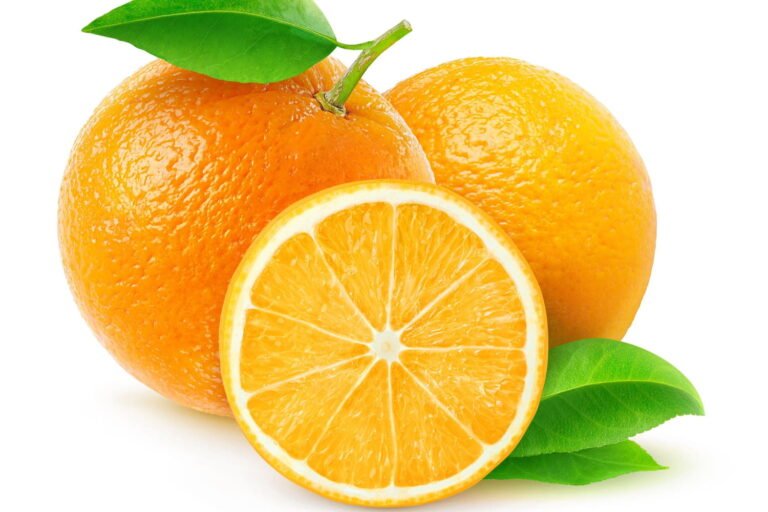
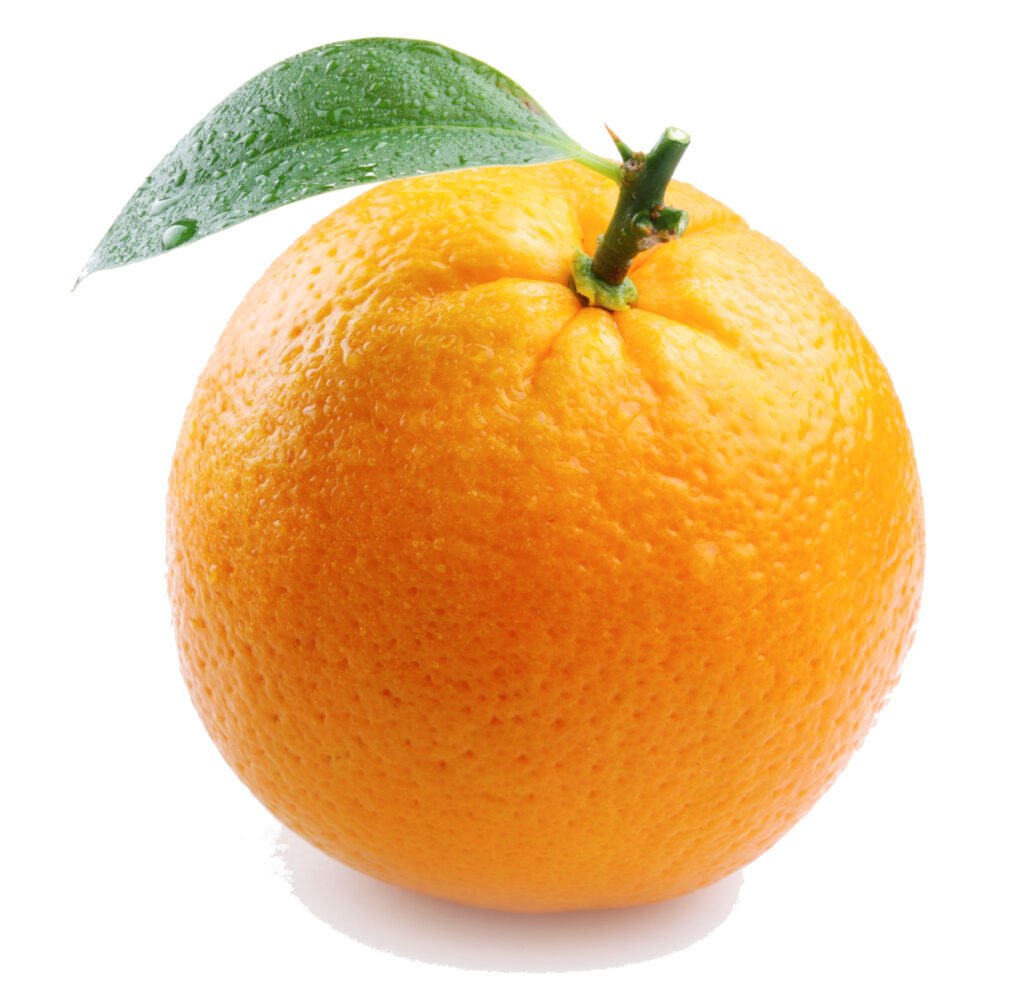
Orange (Citrus reticulata Blanco) is a popular and refreshing citrus fruit belonging to the Rutaceae family. It is widely known for its juicy pulp, vibrant color, pleasant aroma, and delicious sweet-to-sour taste. Native to Southeast Asia and China, this remarkable citrus fruit has spread across the world and is now cultivated extensively in China, India, Japan, South Korea, Pakistan, Thailand, Vietnam, Spain, Italy, Turkey, Egypt, Morocco, Brazil, Argentina, Mexico, and the United States.
In India, orange is widely cultivated in Assam, Sikkim, West Bengal, Punjab, Himachal Pradesh, Uttarakhand, Gujarat, Madhya Pradesh, Maharashtra, and Karnataka. Different varieties and closely related types are commonly known as Mandarin Orange, Tangerine, Clementine, and Loose-skinned Orange, making this group one of the most widely recognized citrus fruits worldwide.
Orange is highly valued for its refreshing flavor, nutritional richness, and natural vitamin C content. The fruit is commonly eaten fresh and is also used to prepare juices, beverages, desserts, preserves, and other food products. Traditional herbal literature has also described different forms of orange for their distinctive effects on digestion, appetite, and respiratory health. Because of its delicious taste, nutritional value, widespread cultivation, and versatile uses, orange continues to hold an important place in food, nutrition, and traditional herbal practices worldwide.
Discovery of Orange
The history of orange (Citrus reticulata) can be traced back to ancient Southeast Asia and China, where mandarin-type citrus fruits were cultivated and valued for their distinctive flavor and aroma. Over centuries, these citrus fruits gradually spread through South and East Asia, the Mediterranean region, Africa, Europe, and the Americas.
As trade and cultivation expanded, different forms of mandarin citrus became established in many countries. Today, Citrus reticulata and its cultivated varieties are widely recognized as Mandarin Orange, Tangerine, Clementine, and Loose-skinned Orange.
The remarkable adaptability, refreshing taste, attractive appearance, and nutritional value of the fruit helped it become one of the world’s most popular and widely cultivated citrus fruits. Its journey from its Asian origins to major fruit-growing regions across the globe represents a fascinating history of agricultural cultivation and international trade.
Powerful History of Orange
The history of orange (Citrus reticulata) is deeply connected with the ancient citrus-growing traditions of China and Southeast Asia. Mandarin-type oranges were cultivated in these regions for centuries before gradually spreading to other parts of Asia through trade, migration, and agricultural exchange.
Over time, citrus cultivation expanded from Asia toward the Indian subcontinent, the Middle East, and the Mediterranean region. The fruit was eventually introduced into Europe and later reached the Americas and other suitable parts of the world. Its excellent adaptability, attractive appearance, refreshing flavor, and commercial value helped it become an important fruit crop in many countries.
As cultivation progressed, numerous varieties and forms developed, including Tangerines, Clementines, and other loose-skinned mandarins. These varieties became particularly important in commercial fruit production because of their easy-to-peel skin, pleasant flavor, and appealing aroma.
Today, Citrus reticulata and its related cultivated forms are grown extensively across Asia, Europe, Africa, North and South America, and other subtropical regions. From its ancient Asian origins to its modern worldwide cultivation, orange has developed into one of the most popular and economically significant citrus fruits in the world.
Asia, Europe, Africa, North America and South America
🍃 Plant Family
Citrus family — Rutaceae
🍊 Fruit Type
Citrus fruit
🌿 Genus
Citrus
🔬 Species
Citrus reticulata
🌸 Flower Colour
White
🍊 Fruit Colour
Green when immature, turning orange to deep orange when ripe
🌱 Propagation
Seeds, budding and grafting
☀️ Preferred Climate
Warm subtropical to tropical climate
🌿 Plant Habit
Small to medium-sized evergreen tree
⏳ Life Cycle
Perennial
Physical Appearance of Orange
🌳 Plant of Orange
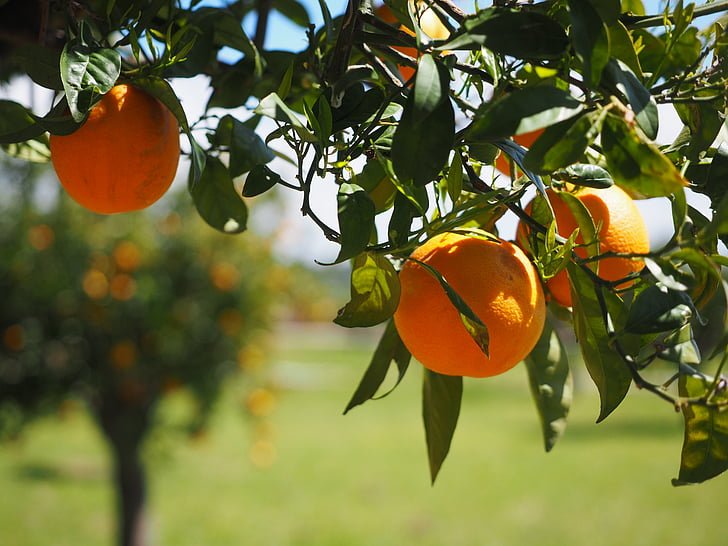
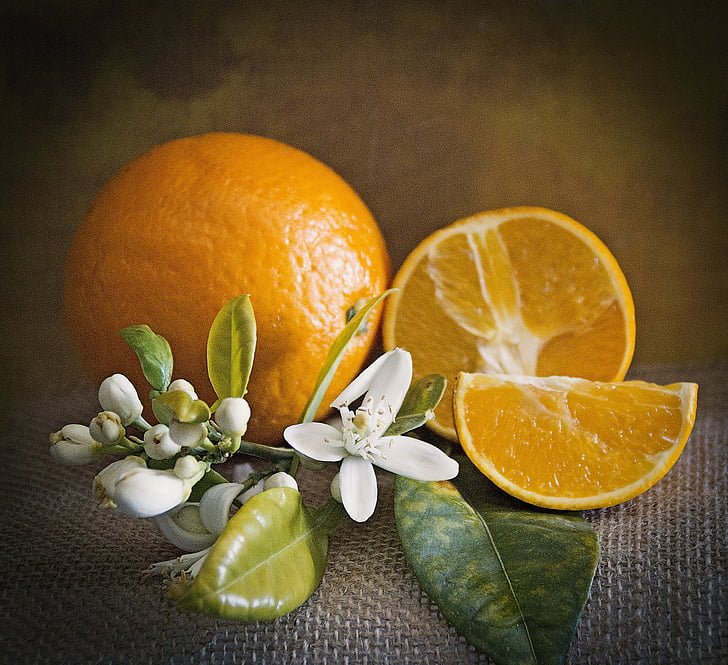
Orange is a small to medium-sized, evergreen, branched and thorny shrub or tree, generally reaching about 3–4 meters in height.
🍃 Leaves of Orange
The leaves are simple, alternate, pointed, glossy and dark green on the upper surface. They are aromatic when crushed and have a characteristic citrus fragrance.
🍊 Fruit of Orange
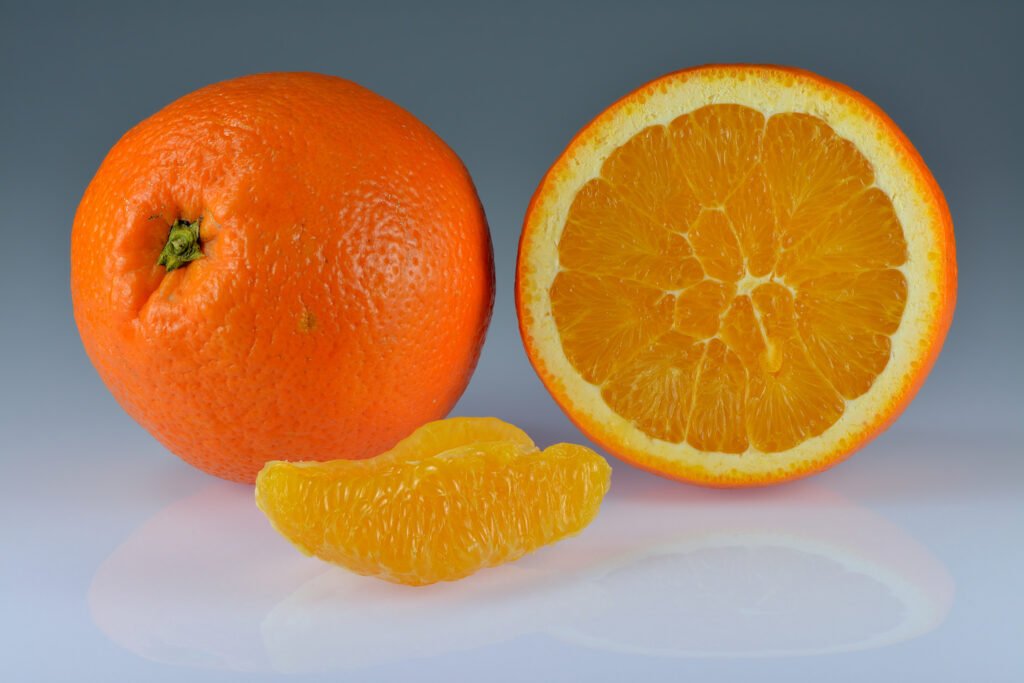
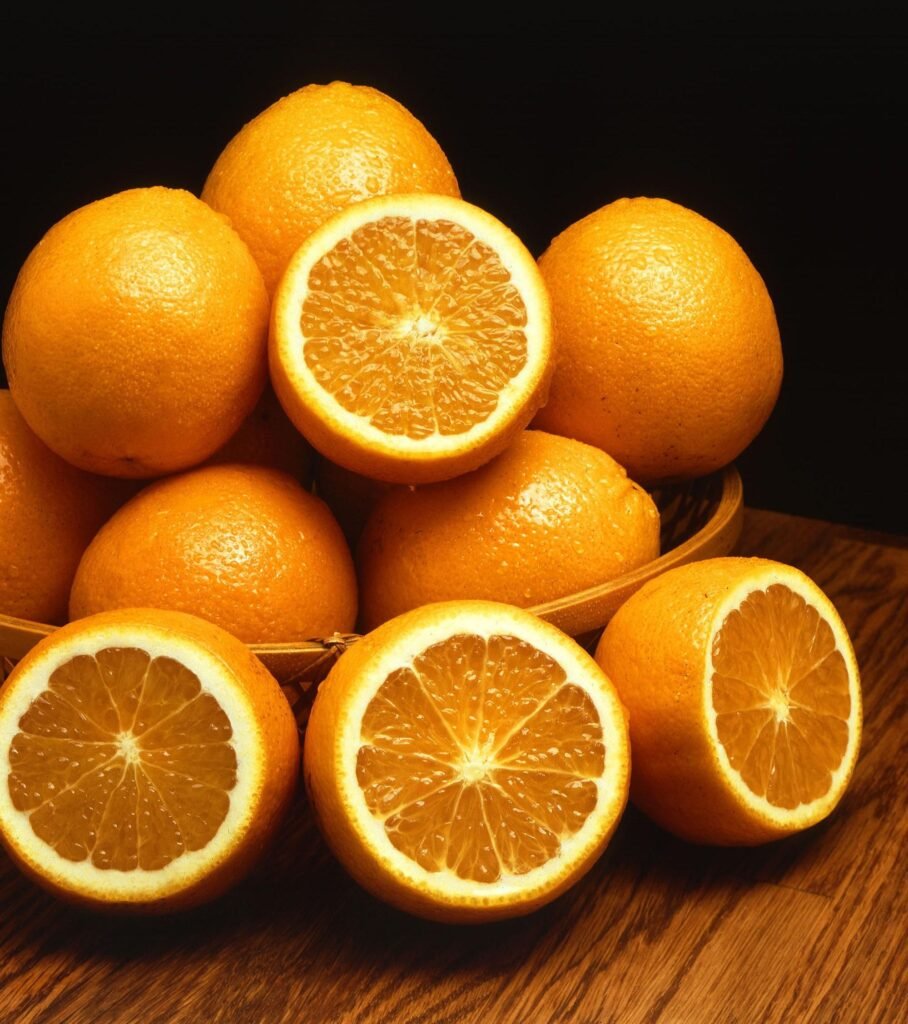
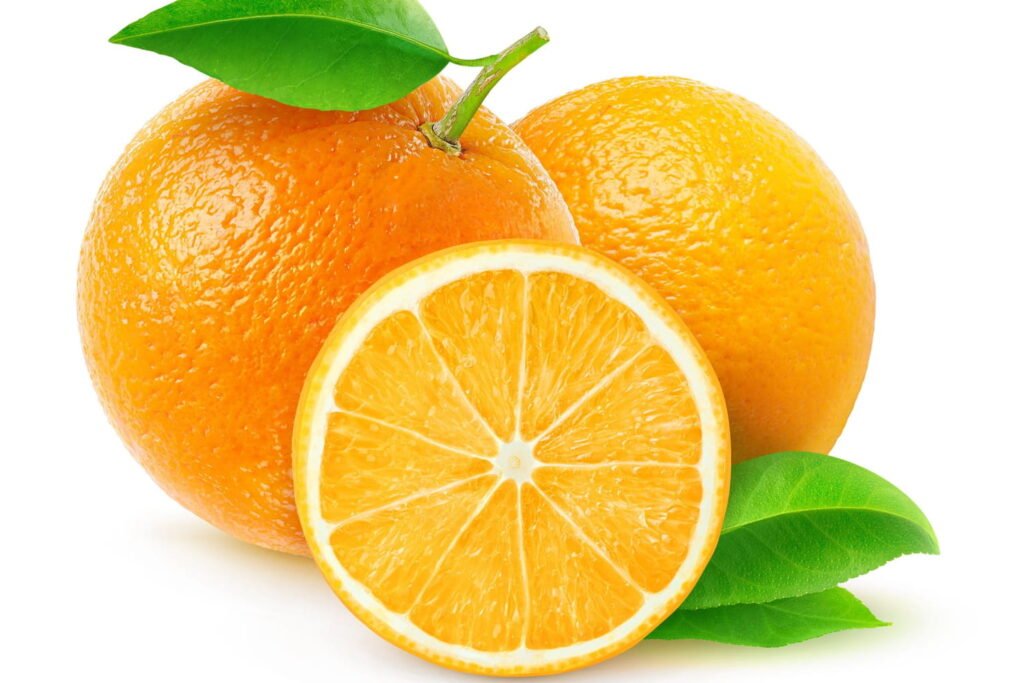
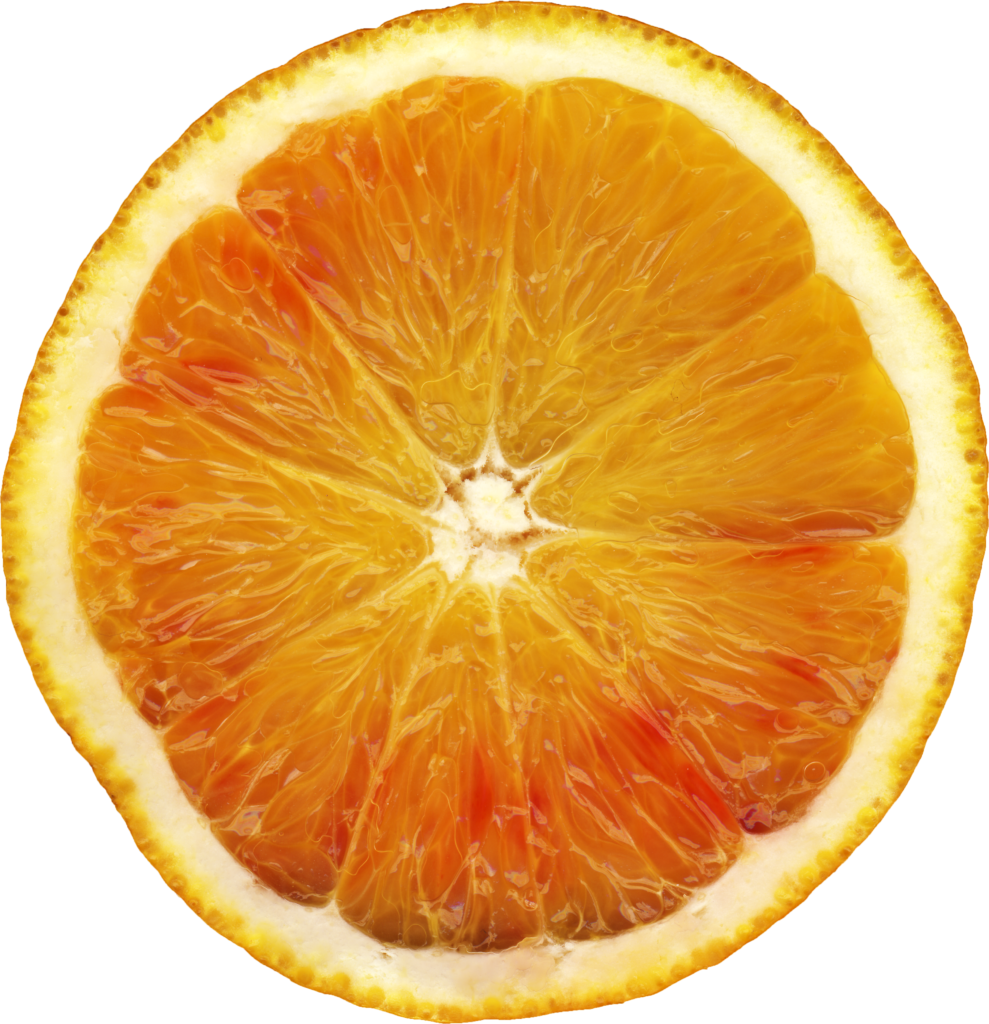
The fruit is round to semi-round, fleshy and juicy. It is dark green when unripe and changes to yellowish-orange or bright orange as it matures. The fruit is divided into about 10–14 segments, which separate easily from one another.
🥭 Pulp of Orange
The edible pulp is juicy, soft and divided into easily separable segments. Each segment contains numerous juice-filled sacs.
🌿 Growth Habit of Orange
The plant remains evergreen and develops a dense, spreading crown with numerous branches.
🪵 Stem of Orange
The stem is upright and well-branched. The bark is smooth and greenish-white when young and may become slightly rougher with age. Young branches may bear small thorns.
🌼 Flowers of Orange
The flowers are white, fragrant and delicate, usually appearing singly or in small clusters. They are typically borne in the leaf axils or near the ends of young branches.
🟠 Fruit Peel of Orange
The outer peel is aromatic and contains numerous tiny oil glands responsible for the characteristic citrus fragrance. It becomes bright orange at maturity.
🌱 Seeds of Orange
The seeds are small, numerous, whitish and slightly mucilaginous. Seed development may vary depending on the variety.
🌸 Flowering & Fruiting Season of Orange
In suitable climatic conditions, flowering and fruiting may occur from approximately September to May.
Nutritional Value of Orange
🥗 Nutrient
📊 Amount per 100 g
🔥 Energy
47 kcal
💧 Water
86.75 g
🍚 Carbohydrates
11.75 g
🍬 Total Sugars
9.35 g
🌾 Dietary Fiber
2.4 g
🥚 Protein
0.94 g
🧈 Total Fat
0.12 g
🦴 Calcium
40 mg
🩸 Iron
0.10 mg
⚡ Magnesium
10 mg
🧠 Phosphorus
14 mg
❤️ Potassium
181 mg
🧂 Sodium
0 mg
🛡️ Vitamin C
53.2 mg
👁️ Vitamin A
11 µg RAE
🧬 Vitamin E
0.18 mg
🩸 Folate (Vitamin B9)
30 µg
💊 Vitamin B6
0.060 mg
🧪 Thiamin (Vitamin B1)
0.087 mg
🧪 Riboflavin (Vitamin B2)
0.040 mg
🧪 Niacin (Vitamin B3)
0.282 mg
Chemical Composition of Orange
Orange (Citrus reticulata) contains a wide range of flavonoids, essential oils, fatty acids, glycosides, phytosterols, organic acids, vitamins and other bioactive compounds. The major chemical constituents reported from different parts of the plant are given below.
🌿 Plant Part
🧬 Major Chemical Constituents
🍃 Leaves
Apigenin-7-rhamnoglucoside, diosmetin-7-rhamnoglucoside, hesperidin, luteolin-7-rhamnoglucoside, naringin, xylovitexin and triacylglycerols
🪵 Bark & Branches
6,7-Dimethoxycoumarin and other coumarin-related constituents
Sugars, citric acid, vitamin C, carotenoids, minerals and pectin
🧪 Essential Oil
Mainly monoterpenes and oxygenated aromatic compounds, including limonene and other volatile constituents responsible for the characteristic citrus aroma
Ayurvedic Properties of Orange
According to Ayurvedic literature, Orange (Citrus reticulata) is traditionally described as having the following properties and actions:
🌿 Part / Aspect
🔬 Ayurvedic Properties & Traditional Actions
🍊 Fruit
Sweet in taste, warming in potency, heavy and unctuous in nature. Traditionally considered Vata-pacifying, while excessive use may increase Kapha and Pitta. It is described as nourishing, appetite-enhancing, digestive, heart-supportive, strengthening, aphrodisiac, aromatic and mildly laxative.
🛡️ Traditional Actions
Traditionally described as anthelmintic (worm-reducing) and analgesic for colicky abdominal pain.
🌼 Flowers
Fragrant and traditionally described as calming, stimulating, antispasmodic, fever-reducing, strengthening and diuretic.
🍊 Fruit Pulp
Traditionally described as anti-diarrheal, strengthening, deodorizing, aphrodisiac, appetite-promoting, digestive, liver-supportive, detoxifying, anti-infective, carminative, antioxidant and diuretic.
🟠 Fruit Peel
Traditionally used for its anthelmintic and anti-diarrheal properties and for supporting gastric activity and digestion. It is also described as strengthening.
🧃 Fruit Juice
Traditionally considered diuretic, supporting normal urine formation and elimination.
🍃 Leaf Volatile Oil
Reported to exhibit antibacterial activity in experimental studies.
🌿 Whole Plant (Panchanga) Volatile Oil
Reported to demonstrate antifungal activity in experimental research.
🟠 Fruit Peel Powder
Traditionally/experimentally described as having antioxidant activity, helping counter oxidative stress.
Cultivation & Growing of Orange
🍊 Climate
Orange grows best in warm, subtropical to tropical climates. It prefers plenty of sunlight and does not tolerate prolonged severe frost.
🌡️ Temperature
An ideal temperature range of around 15–30°C is suitable for healthy growth, flowering and fruit development.
☀️ Sunlight
The plant requires full sunlight, preferably around 6–8 hours of direct sunlight daily, for vigorous growth and good fruit production.
🌱 Soil
Well-drained, fertile, loamy to sandy-loam soil rich in organic matter is ideal. Waterlogged or poorly drained soils should be avoided.
⚗️ Soil pH
A slightly acidic to neutral soil, approximately pH 5.5–7.0, is generally suitable for orange cultivation.
💧 Watering
Regular and balanced watering is important, particularly during flowering, fruit development and dry periods. Avoid excessive irrigation and waterlogging.
🌰 Propagation
Orange can be propagated through seeds, budding and grafting. Commercial cultivation commonly uses healthy, disease-free grafted or budded plants because they provide more uniform growth and fruiting.
🌾 Manuring & Fertilization
Apply well-decomposed organic manure along with appropriate amounts of nitrogen, phosphorus and potassium according to soil fertility and plant age.
🐛 Pest & Disease Management
Regularly inspect plants for pests and diseases. Use good orchard sanitation, proper drainage and integrated pest-management practices to maintain plant health.
📅 Growing Season
Orange is an evergreen perennial crop. Flowering and fruiting periods vary with cultivar, climate and local growing conditions.
🌿 Planting
Healthy nursery plants should be planted in well-prepared soil with adequate spacing to allow proper sunlight penetration, air circulation and crown development.
✂️ Pruning
Remove dead, diseased, weak and overcrowded branches periodically. Light pruning helps maintain a healthy canopy and improves air circulation.
🍊 Harvesting
Fruits are harvested when they reach their characteristic orange colour, proper size, flavour and maturity. Harvesting time varies according to the variety and growing region.
scientific research of Orange
👨⚕️ Human Studies
🧑 Skin-related study: A study involving human volunteers reported that Citrus reticulata peel essential oil, particularly when formulated as a microemulsion, showed potential for reducing skin irritation. The findings also supported further investigation of citrus peel oil for cosmetic and topical applications.
⚠️ Evidence limitation: These findings should not be interpreted as proof that orange or its extracts can treat or prevent diseases in humans. More large-scale, well-controlled clinical trials are required to establish therapeutic effectiveness and appropriate doses.
🧫 In-Vitro & Laboratory Research
🔬 ZhiBiao Yi, Yan Yu, YiZeng Liang & Bao Zeng (2008) investigated Citrus reticulata peel extract and its major flavonoids, including hesperidin, nobiletin and tangeretin. The extract and compounds demonstrated antioxidant activity in several laboratory assays, while the extract and hesperidin also showed antimicrobial activity against tested microorganisms.
🧬 Nobiletin Research: Studies have investigated nobiletin, an important polymethoxylated flavone found in Citrus reticulata, for anti-inflammatory, antioxidant and other biological effects. Experimental research has also examined its potential molecular mechanisms in disease models.
🐀 Animal Studies
🧪 Ahmed Rahib, Mustafa M. Karhib, Hoda M. Nasr, Raghda A. El-Sayed, Mohamed M. Abdel-Daim, Ali B. Jebur & Fatma M. El-Demerdash (2024) studied Citrus reticulata peel extract in rats exposed to abamectin-induced liver injury. The extract improved several antioxidant and oxidative-stress markers and reduced biochemical, inflammatory and histopathological changes associated with liver injury.
🐀 Alaa M. Ali and colleagues (2020) investigated hydroethanolic Citrus reticulata peel extract, hesperidin and quercetin in diabetic Wistar rats. The study reported improvements in blood-glucose-related, lipid and antioxidant parameters, supporting further investigation of the peel’s bioactive compounds.
🐭 Abdellatif Bour and colleagues (2020) investigated Moroccan Citrus reticulata peel extract in a mouse wound-healing model. The study evaluated both wound healing in mice and antioxidant and antimicrobial activity of the extract.
🐁 Damanpreet Singh and colleagues (2022) studied a flavonoid-rich Citrus reticulata peel extract in a mouse model of chemically induced seizures. Treatment reduced seizure severity and produced improvements in certain cognitive-behavioural measures.
🧪 Feng Xue, Chen Li & Siyi Pan (2012) investigated the subacute toxicity of carotenoids extracted from Citrus reticulata peel in Wistar rats. At the tested doses, including up to 2000 mg/kg/day for 28 days, the study reported no observed adverse effect in the measured parameters.
📚 Overall Scientific Evidence
Current research suggests that Citrus reticulata contains biologically active compounds such as hesperidin, nobiletin, tangeretin, naringin and other flavonoids. Experimental studies have reported antioxidant, antimicrobial, anti-inflammatory and metabolic effects. However, most evidence comes from in-vitro and animal studies, and substantially more high-quality human clinical research is needed before therapeutic claims can be established.
Medicinal Uses of Orange
👃 Nasal Disorders
1. Common Cold (Pratishyaya): 10–20 ml orange juice mixed with honey and rock salt is traditionally consumed for relief from common cold.
2. Nasal Administration: 1–2 drops of orange flower juice are traditionally used as nasal drops for common cold.
3. Orange Peel Decoction: 10–20 ml orange fruit-peel decoction mixed with 5–10 ml lemon juice is traditionally consumed for common cold.
❤️ Heart Disorders
1. Heart Disorders: A decoction prepared from orange fruit peel is traditionally taken in a dose of 10–20 ml for heart-related disorders.
🧡 Liver & Spleen Disorders
1. Supporting Liver Function: A decoction prepared from unripe orange fruit peel is traditionally taken in a dose of 10–20 ml to support liver function and relieve digestive disorders.
🚽 Kidney & Urinary Disorders
1. Inflammation of the Urinary System: 10–15 ml unripe coconut water mixed with 10–20 ml orange juice is traditionally consumed for inflammation of the urinary bladder, kidneys and urinary tract, difficulty in urination and acidic urine.
🦴 Bone & Joint Disorders
1. Inflammatory Joint Pain: A paste prepared from orange leaves, flowers and fruit peel is slightly warmed and traditionally applied to painful and swollen joints to help relieve swelling and discomfort.
🌡️ General Health & Systemic Disorders
1. Fever: 10–20 ml orange juice is traditionally consumed to support the body’s resistance and during fever, including typhoid fever.
2. General Weakness & Itching: 1–2 drops of orange flower juice are traditionally administered into the nose, while flower juice may also be used for massage for itching and general weakness.
3. Fever & Cough: Orange fruit juice mixed with salt is traditionally consumed for fever and cough.
4. Blood Disorders: 5 ml Chirata juice mixed with 20 ml orange juice is traditionally administered for blood-related disorders.
🫁 Chest & Respiratory Disorders
1. Tuberculosis (Kshaya): 10–20 ml orange fruit juice mixed with honey and rock salt is traditionally used for tuberculosis.
2. Breathing Difficulty: 10–20 ml orange fruit juice mixed with rock salt and honey is traditionally consumed for breathing difficulty and bronchial inflammation.
3. Chest Disorders: Orange flower juice is traditionally massaged over the chest for chest-related disorders.
🥣 Digestive & Abdominal Disorders
1. Vomiting & Loss of Appetite: Equal parts of dry orange-peel powder, cardamom, cumin, dry ginger and black pepper powder (2–4 g) are mixed with rock salt and consumed with buttermilk. Traditionally, this preparation is used to improve appetite and relieve vomiting.
2. Vomiting: Orange fruit-peel powder is traditionally administered in a dose of 500 mg for relief from vomiting.
3. Ama-related Digestive Disorders: 15–20 ml orange fruit-peel decoction mixed with lemon juice is traditionally consumed on an empty stomach in the morning for indigestion, poor appetite, abdominal bloating, vomiting, diarrhea and constipation.
4. Digestive Disorders: Orange fruit juice is traditionally consumed for intestinal worms, excessive thirst, diarrhea, abdominal bloating and indigestion.
5. Abdominal Pain: Orange fruit-peel powder is traditionally administered in a dose of 500 mg for abdominal pain and weak digestion.
6. Diarrhea During Pregnancy: Orange fruit juice is traditionally given for diarrhea in pregnant women.
7. Pitta-type Diarrhea: 10–15 ml orange fruit juice is traditionally consumed for diarrhea.
🧴 Skin Disorders
1. Folliculitis & Skin Lesions: Orange fruit pulp, fruit peel, leaves and flowers are roasted, powdered and traditionally applied for folliculitis, foul-smelling wounds and certain skin eruptions.
2. Dandruff & Itching: A paste prepared from crushed orange leaves is traditionally applied for dandruff, chronic eczema, scabies and itching.
3. Skin Disorders: Orange bark is traditionally ground and applied externally for various skin disorders.
4. Ringworm: Ground orange fruit peel is traditionally applied externally for ringworm.
5. Itching: Juice extracted from orange fruit peel is traditionally applied to affected skin for itching.
6. Pigmentation, Comedones & Acne: Dried orange fruit peels are powdered, mixed with rose water and traditionally applied to the face for pigmentation, comedones and acne.
👶 Pediatric Uses
1. Digestive Disorders: 5–10 ml orange fruit juice daily is traditionally given to young children for digestive and intestinal disorders and to support natural resistance to illness.
Frequently Asked Questions (FAQs)
1. What are the health benefits of eating oranges?
2. Is orange good for the immune system?
Oranges provide vitamin C, dietary fiber, potassium, water, and beneficial plant compounds such as flavonoids. Regularly eating whole oranges can contribute to a healthy diet and support normal immune function, digestion, and overall nutritional health.
Yes. Oranges are a good dietary source of vitamin C, which plays an important role in normal immune system function. However, eating oranges does not guarantee protection from infections or cure illnesses.
3. Can people with diabetes eat oranges?
4. Is eating a whole orange better than drinking orange juice?
Yes, whole oranges can generally be included in a diabetes-friendly diet in appropriate portions. The fiber in whole fruit slows the absorption of carbohydrates compared with juice. Individual blood-glucose responses can vary, so portion size and overall carbohydrate intake are important.
Generally, yes. A whole orange contains more fiber and is usually more filling, while juice contains much less fiber and can be consumed quickly. For everyday eating, whole fruit is generally preferable to juice.
5. Is orange good for digestion?
6. Can orange help with weight loss?
Yes. Whole oranges provide dietary fiber, including pectin, which supports normal bowel function and digestion. However, acidic citrus may cause discomfort in some people with sensitive digestion or reflux.
Orange can be a useful fruit in a weight-management diet because it provides water, fiber, and nutrients without being very calorie-dense. However, orange itself does not directly burn body fat. Whole fruit is generally a better choice than sweetened orange drinks or excessive juice.
7. Can orange peel be eaten?
8. How much vitamin C does an orange contain?
Orange peel contains vitamin C and plant compounds such as polyphenols, but it is bitter and can be difficult to digest. If used as food, the peel should be washed thoroughly, and only small amounts are generally appropriate.
The amount varies with fruit size and variety. Oranges and mandarins are important dietary sources of vitamin C, which contributes to normal immune function, collagen formation, wound healing, and absorption of iron from plant foods.
9. Are there any side effects of eating oranges?
10. Is Citrus reticulata the same as sweet orange?
Most people can eat oranges safely. However, excessive intake may cause digestive discomfort in sensitive individuals, and the acidity may aggravate symptoms such as heartburn or reflux. People with specific allergies or medical conditions should follow individualized medical advice.
No. Citrus reticulata is commonly known as mandarin or tangerine, while sweet orange is generally classified as Citrus sinensis. They are closely related citrus fruits but are botanically different species. Research specifically identifies Citrus reticulata Blanco as the common mandarin.
Ayuage is a trusted platform dedicated to sharing practical, easy-to-understand, and reliable insights on health, nutrition, wellness, and healthy living. Our goal is to simplify important health topics and provide readers with helpful information that supports smarter food choices and a balanced lifestyle.